Bats on the Allotment
When the sun sets and most allotment holders head home, another group of hardworking gardeners begins its shift. Bats quietly emerge to hunt insects, playing an important role in keeping our ecosystems healthy and balanced.
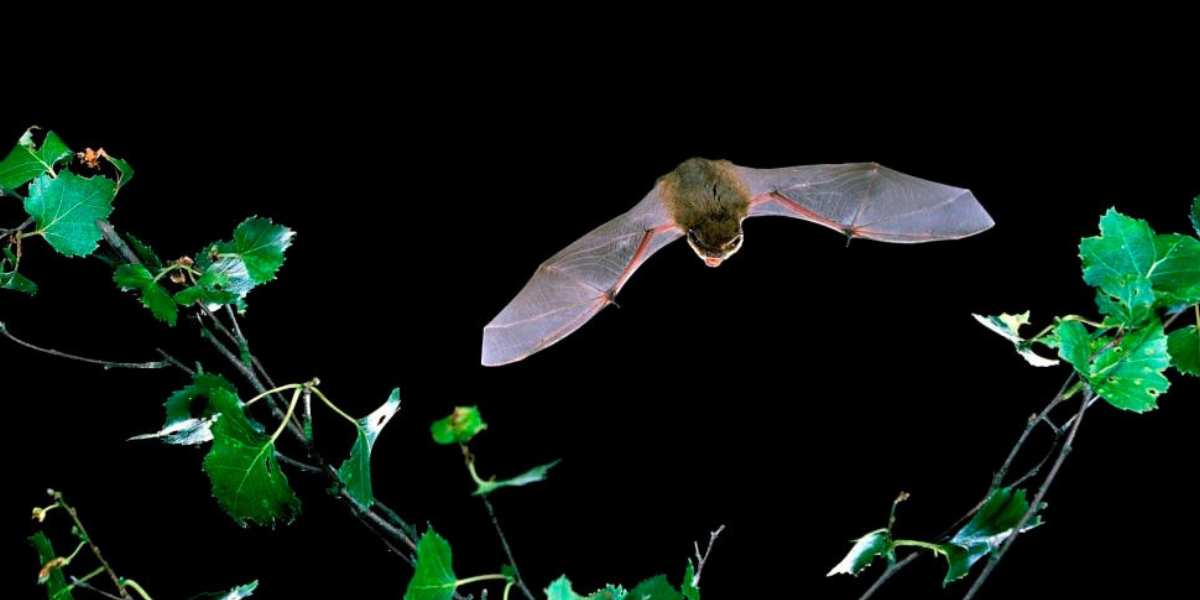
Common pipistrelle
Photo Credit :Hugh Clark/www.bats.org.uk
Where do bats live?
Bats inhabit a wide range of habitats across the UK, from ancient woodlands and hedgerows to wetlands, farmland, parks and urban areas. Their exact preferences vary depending on the species, but they all rely on places that provide safe roosting sites and a plentiful supply of insects.Many bats roost in mature trees, making use of cavities, rot holes and loose bark. Others are found in older buildings such as churches, barns and roof spaces, while some use caves and other natural shelters. Hedgerows, woodland edges and ponds are particularly important as they provide sheltered flight paths and abundant feeding opportunities.
Bats are most active between late spring and early autumn. As dusk falls, they leave their roosts to hunt before returning before dawn.

Noctule
Photo Credit: Martin Celuch/www.bats.org.uk
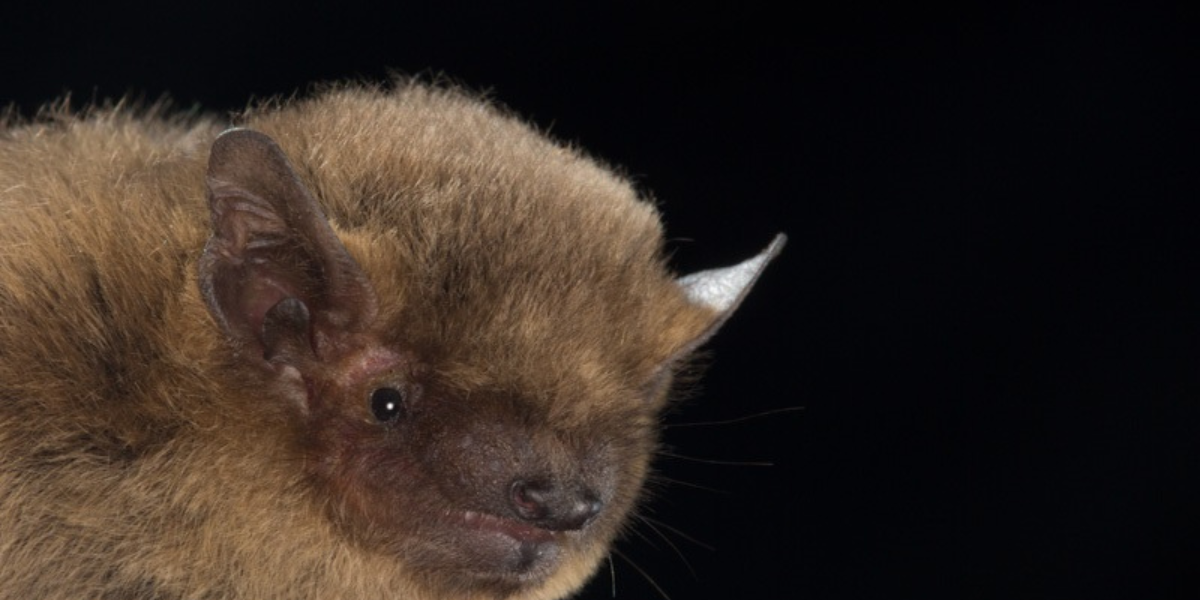
soprano pipistrelle
Photo Credit:Daniel Hargreaves/www.bats.org.uk
.
Which bats might you see on your allotment?
The UK is home to 18 resident species of bat , each with its own preferred habitat. While some are rare and confined to ancient woodlands, several are commonly found in gardens, parks and allotments.The common pipistrelle and soprano pipistrelle account for around 80% of the UK's bat population. These small bats are highly adaptable and are often seen hunting over gardens, farmland and allotments at dusk. Soprano pipistrelles are particularly fond of areas close to rivers, ponds and other water sources.
The noctule , one of Britain's largest bat species, tends to roost in tree cavities and old woodpecker holes. Although less commonly found in buildings, it can travel up to 10 kilometres from its roost each night in search of insects.
Some of our rarer species, including the Bechstein's bat, barbastelle
and greater horseshoe bat , rely on ancient woodlands and mature trees. Protecting these habitats is vital to their survival.
Whether common or rare, all UK bats depend on healthy landscapes with plenty of insects, safe roosting places and connected habitats. This is where allotments can play an important role.

Why are bats good for allotments?
Bats are one of nature's most effective forms of pest control.A single bat can consume thousands of flying insects in a single night, including mosquitoes, midges, moths and beetles. While not every insect they eat is considered a garden pest, reducing large numbers of flying insects helps create a healthier, more balanced environment.
Welcoming bats to your allotment can help to:
- Naturally reduce insect populations.
- Support wildlife-friendly gardening without relying on pesticides.
- Increase biodiversity across the site.
- Indicate a healthy ecosystem rich in insects, native plants and habitats.
- Encourage a more balanced food web alongside birds, hedgehogs, bees and other beneficial wildlife.
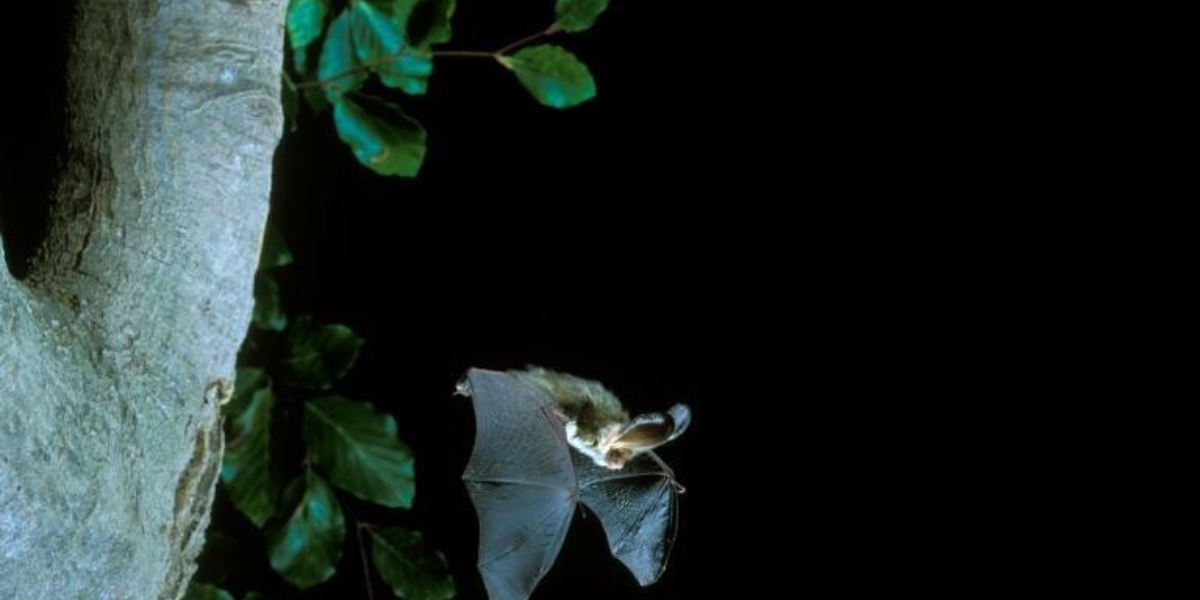
Brown long-eared bat
Photo Credit: Hugh Clark/www.bats.org.uk
.
.png)
Making your allotment bat friendly
Creating a welcoming environment for bats doesn't require large changes. Many of the features that benefit bats also support other wildlife.
You can help by:- Installing bat boxes on mature trees or suitable buildings, around 3–5 metres above the ground.
- Planting native trees, shrubs and hedgerows where space allows.
- Growing night-scented flowers, such as honeysuckle and evening primrose, to attract moths and other insects.
- Creating or maintaining ponds and other water sources where practical.
- Avoiding pesticides that reduce the insects bats depend on.
- Leaving small areas of longer grass or natural vegetation to encourage insect life.
Bats are protected
All 18 species of bat found in the UK are protected by law, as are their roosts, even when they are not occupied. It is illegal to intentionally disturb bats or damage or block access to a roost.
If you think bats are using a building or mature tree on your allotment site, seek specialist advice before carrying out any work that could affect them.
More than a place to grow food
Allotments have always been about much more than producing fruit and vegetables. They are havens for wildlife, supporting pollinators, birds, hedgehogs, amphibians and countless other species that help keep our plots healthy and productive.By creating spaces where bats can thrive, allotment holders are helping to protect one of Britain's most remarkable mammals while strengthening biodiversity on their sites. The next time you're locking the allotment gate at dusk, take a moment to look up. Those tiny silhouettes darting across the evening sky could be some of your hardest-working gardening partners.
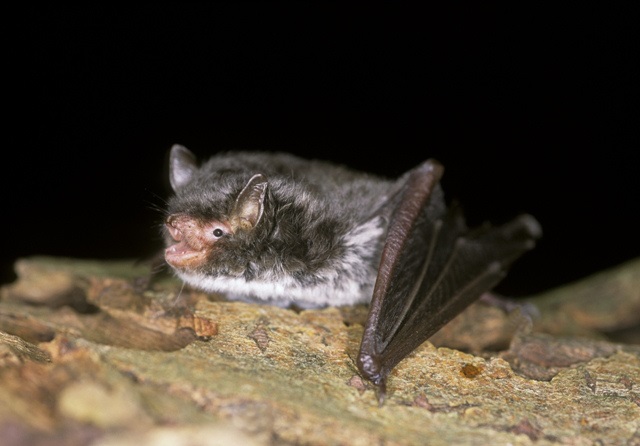
Daubentons
Photo Credit: Hugh Clark/www.bats.org.uk
Become a National Allotment Society member and help to preserve and protect allotments for future generations.
You'll also gain a range of benefits, including free liability insurance, initial legal support, expert advice and much more.
Non Member Newsletter Signup

National Society of Allotment & Leisure Gardeners Ltd
Registered in 1930 under the Industrial & Provident Societies Acts no. 11144R
VAT No. 1212930 14
Patron His Majesty King Charles III
© 2022-2023 National Society of Allotment & Leisure Gardeners Ltd