What to Do While You’re on the Allotment Waiting List
Getting your name down for an allotment is an exciting first step – fresh air, homegrown vegetables, and community connections await. But in the UK, demand is high. Over
174,000 people are currently on waiting lists, and some councils quote waits of
5–10 years.
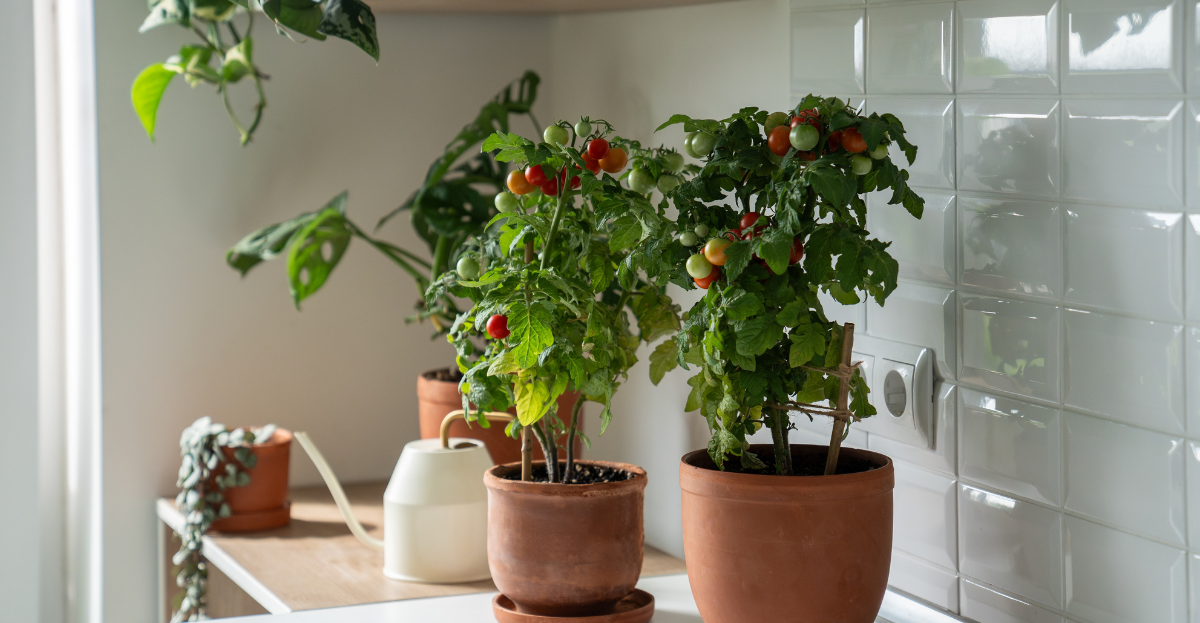
So, what can you do while you’re waiting? Don’t worry – there’s plenty you can do to prepare, learn, and even start growing your own food before your plot becomes available.
What Is an Allotment Waiting List?
An allotment waiting list is simply a queue for plots managed by your local council or allotment association.When a plot becomes available, the next person on the list is offered the space.
Tips for navigating waiting lists:
- Put your name down in several places:
- Apply to multiple sites in your area, or even neighbouring councils if eligible.
- Accept half-plots or “difficult” plots:
- These often become available sooner and can be highly productive.
- Stay engaged: Confirm your interest annually, keep your contact details up to date, and respond promptly to offers.

Help Out at Existing Plots
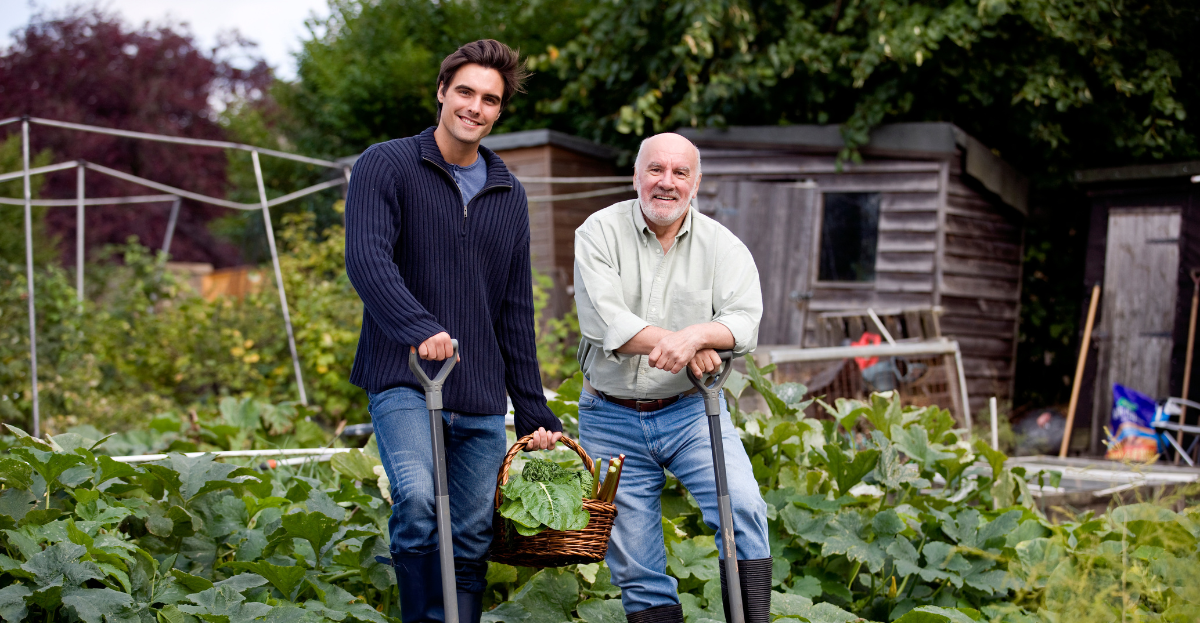
While waiting, volunteering can be a great way to gain experience and connect with the local allotment community:
Assist current plot holders:
Many need extra hands during planting, weeding, or harvesting.
School gardening clubs or community gardens:
These are ideal for learning, teaching, and experimenting without the pressure of your own plot.
Networking:
Building relationships with experienced gardeners may help you hear about plots becoming available early.
Volunteering gives you hands-on experience and prepares you for managing your own plot efficiently once it’s your turn.
Grow at Home
Don’t wait to get growing – you can start small at home:
Windowsills:
Herbs like basil, parsley, and chives.
Balconies or patios:
Salad leaves, tomatoes, peppers, and dwarf beans in pots or grow bags.
Microgreens:
Quick to grow, nutritious, and perfect for learning about crop cycles.
This allows you to develop gardening skills, understand plant care, and experiment before committing to a larger allotment plot.
Learn and Plan
The waiting period is an excellent time to educate yourself and plan:
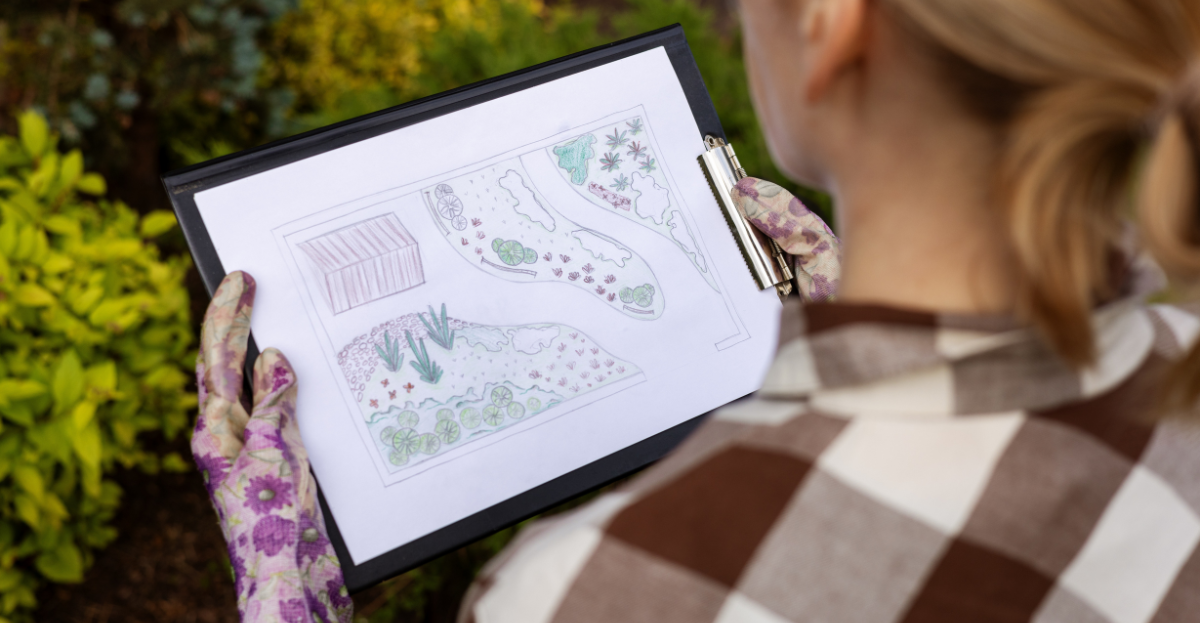
- Study seed catalogues and make a planting plan for your future plot.
- Sketch a layout for beds, paths, and structures.
- Learn about crop rotation, soil improvement, and pest management.
- Expert advice from regional representatives and horticultural advisers.
- Access to the Allotment Gardener magazine (digital and print).
- Discounts on seeds (up to 40% off)
- Free initial legal advice
Stay Informed
Keep up with your local allotment news:
- Check council websites for plot availability, waiting list updates, or new site openings.
- Attend local allotment meetings or site visits to learn about plot conditions and vacancies.
- Sign up for email alerts or SMS notifications, if offered, to respond quickly to plot offers.
Practical Tips to Improve Your Chances
Some strategies used by successful allotment holders include:
Apply to multiple sites – more applications mean more opportunities.
Say yes to half-plots or overgrown plots – they’re often available sooner and can be productive.
Volunteer to clear neglected plots – councils sometimes reward active helpers.
Respond immediately to offers – fast responses prevent losing your place on the list.
If councils operate first-come, first-served systems, being strategic can significantly reduce your waiting time.
Explore Alternatives While You Wait
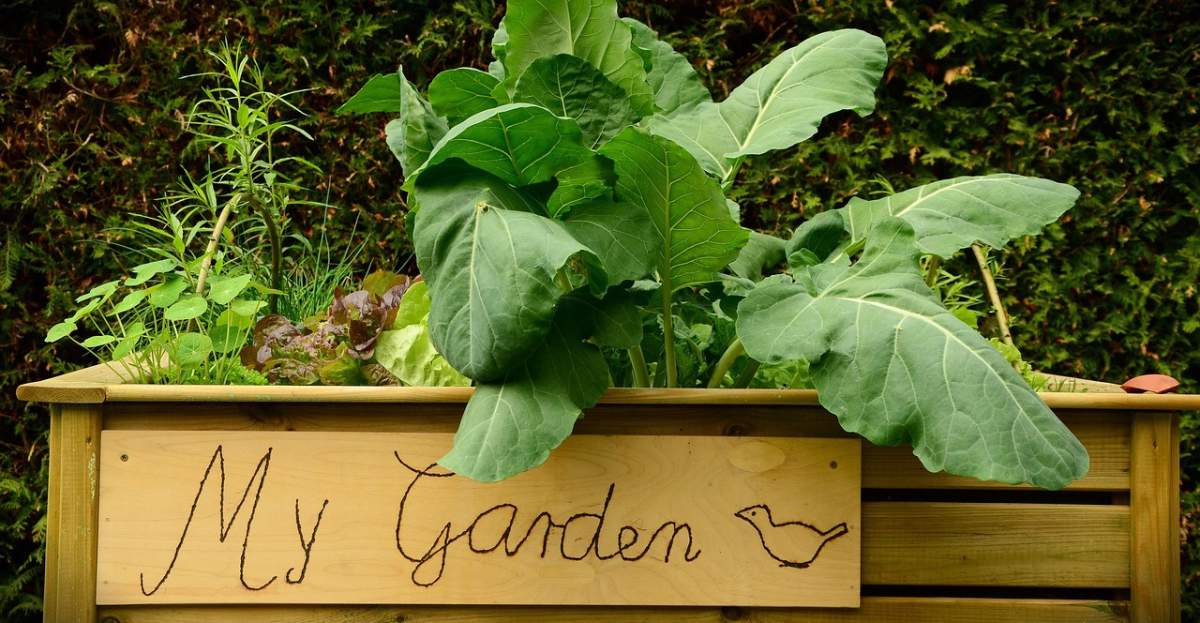
Council allotments aren’t the only option:Community gardens:
Share growing space and facilities; shorter waiting times; good for learning and networking.
Shared-garden schemes:
Maintain part of someone else’s garden in exchange for using a portion for yourself.
Private allotments:
Usually shorter waits, though often with higher rent.
All provide valuable experience and keep your gardening skills sharp.
Prepare for Your First Plot
Once you’re offered a plot, preparation is key:Assess the plot: Observe sun and shade, soil type, drainage, and existing plants.
Start small: Focus on clearing and cultivating one section at a time to avoid burnout.
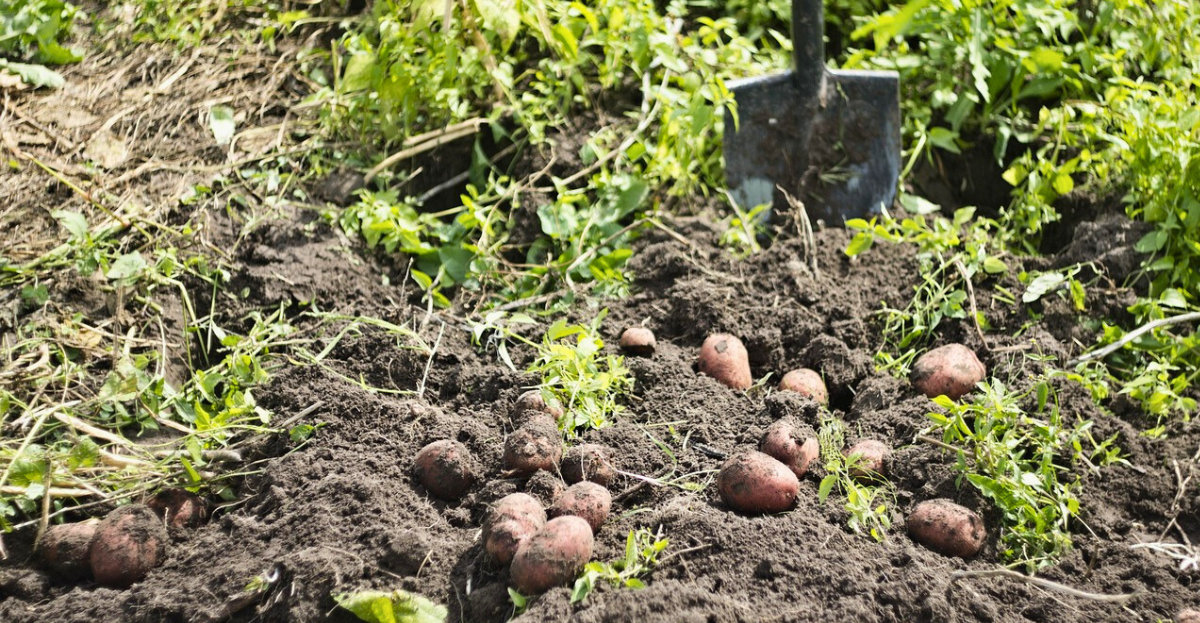
Grow reliable crops: Potatoes, courgettes, beans, salad leaves, and onions are ideal first-year crops.
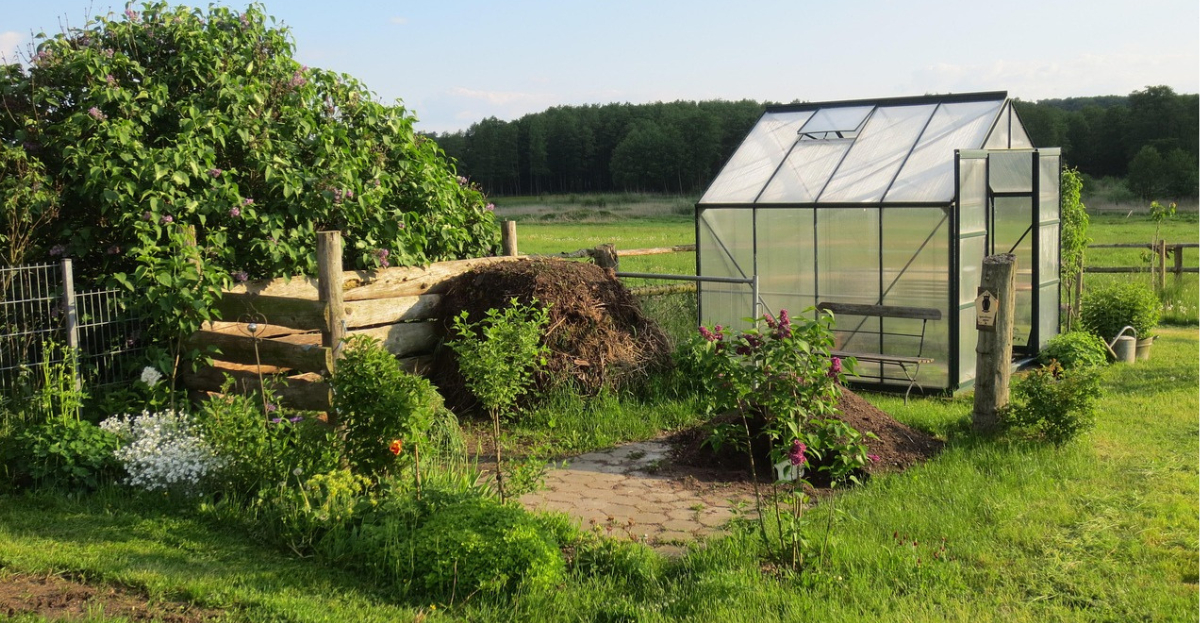
Plan infrastructure: Paths, raised beds, and compost areas.
Key Takeaways
Being on a waiting list doesn’t mean doing nothing. You can:Volunteer at plots, schools, and community gardens.
Grow at home in pots, containers, or windowsills.
Learn and plan with seed catalogues, crop rotations, and plot layouts.
Join NAS for expert advice, discounts, and to help protect allotments.
Stay informed and strategic to improve your chances of securing a plot.
By taking these steps, you’ll arrive at your future plot with confidence, skills, and a plan, ready to make the most of your allotment from day one.
Join the National Allotment Society
With your membership, you’ll receive:- Up to 40% discount on King's seeds
- Free initial legal advice for allotment-related issues,
- Liability insurance to cover your plot activities
- Much more....
Non Member Newsletter Signup

National Society of Allotment & Leisure Gardeners Ltd
Registered in 1930 under the Industrial & Provident Societies Acts no. 11144R
VAT No. 1212930 14
Patron His Majesty King Charles III
© 2022-2023 National Society of Allotment & Leisure Gardeners Ltd