How My Allotment Supports My Wellbeing
For many people, an allotment is a place to grow fruit and vegetables. For me, it has become something much more important – a place of healing, recovery and hope.
This is the story of one member Hannah Montgonery and how her allotment has supported both her and her family.
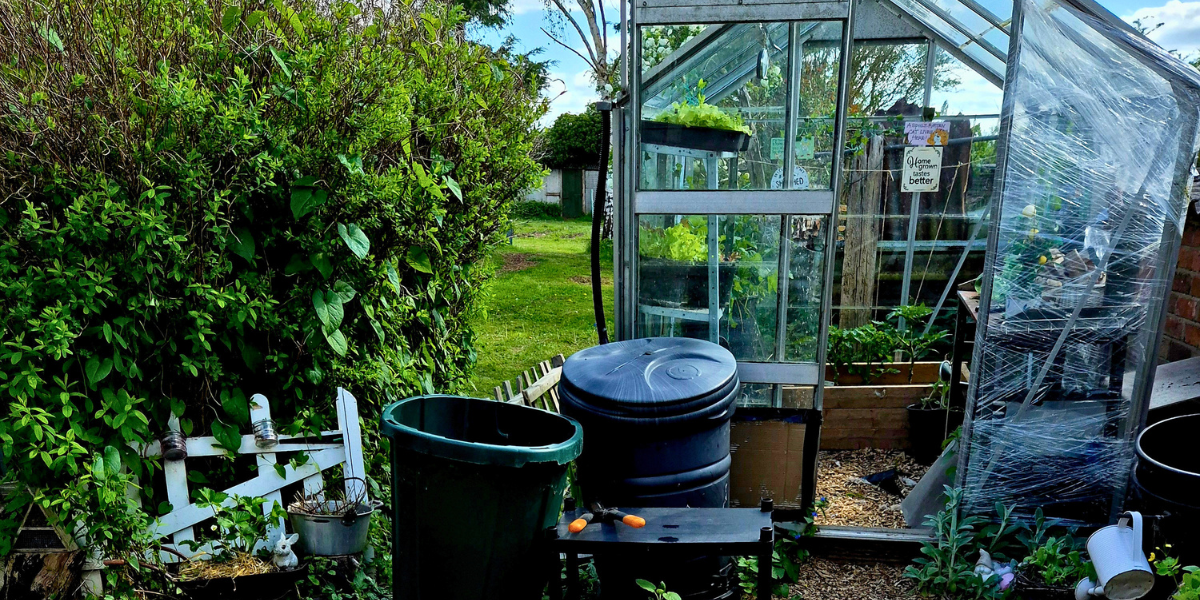
Living with complex health conditions can be challenging. Over the years, I have experienced significant health issues that have left me with a colostomy stoma and an internal feeding tube. Some days, simply getting through everyday tasks can be difficult, and the physical challenges can take a toll on my mental wellbeing. During those difficult times, my allotment has become a sanctuary where I can focus on something positive and reconnect with nature.
Finding Strength Through Gardening
When you live with a long-term health condition, it can be easy to become focused on medical appointments, treatments and symptoms. My allotment provides a welcome escape from all of that. It gives me a purpose, a routine and something to look forward to.
Being outdoors in the fresh air helps me feel calmer and more positive. Spending time surrounded by plants, wildlife and nature allows me to switch off from the stresses of daily life and focus on the present moment. Even on difficult days, simply sitting on the plot and enjoying the surroundings can make a real difference to my mood.
Being outdoors in the fresh air helps me feel calmer and more positive. Spending time surrounded by plants, wildlife and nature allows me to switch off from the stresses of daily life and focus on the present moment. Even on difficult days, simply sitting on the plot and enjoying the surroundings can make a real difference to my mood.

Creating a Sensory Garden
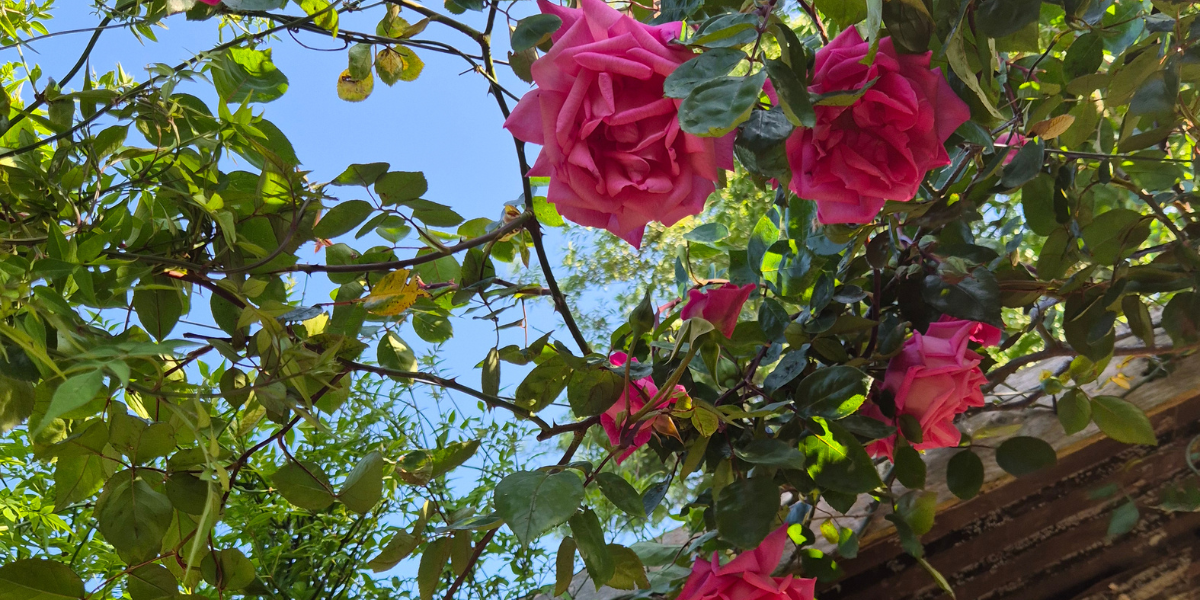
One of my favourite parts of the allotment is my sensory garden. I grow a variety of flowers chosen not only for their beauty but also for their scent and texture.
The fragrance of flowers such as lavender and sweet peas can be incredibly uplifting, while different leaf textures encourage touch and engagement with the natural world. The bright colours throughout the garden create a cheerful environment that helps me maintain a positive mindset and gives me something beautiful to focus on.
Many people find that spending time in nature engages the senses in a calming and restorative way, and I certainly find this to be true. My sensory garden has become a place where I can relax, reflect and feel more balanced emotionally.
The fragrance of flowers such as lavender and sweet peas can be incredibly uplifting, while different leaf textures encourage touch and engagement with the natural world. The bright colours throughout the garden create a cheerful environment that helps me maintain a positive mindset and gives me something beautiful to focus on.
Many people find that spending time in nature engages the senses in a calming and restorative way, and I certainly find this to be true. My sensory garden has become a place where I can relax, reflect and feel more balanced emotionally.

Growing Food When You Can't Eat It
Growing fruit and vegetables remains an important part of my allotment experience, even though my health condition means I am unable to eat the food I grow.
While I cannot enjoy a full meal from my harvest, I can still taste produce and experience its texture and flavour. This allows me to remain connected to food and the growing process, something that continues to bring me a great deal of satisfaction.
There is also a tremendous sense of achievement in nurturing a plant from seed to harvest. Watching crops develop throughout the season reminds me that growth often takes time, patience and perseverance—valuable lessons both in gardening and in life.
While I cannot enjoy a full meal from my harvest, I can still taste produce and experience its texture and flavour. This allows me to remain connected to food and the growing process, something that continues to bring me a great deal of satisfaction.
There is also a tremendous sense of achievement in nurturing a plant from seed to harvest. Watching crops develop throughout the season reminds me that growth often takes time, patience and perseverance—valuable lessons both in gardening and in life.

Exercise at Your Own Pace
For people living with bowel conditions and other long-term health issues, finding suitable ways to stay active can sometimes be difficult. My allotment provides a space where I can exercise at a pace that suits me.Tasks such as watering, weeding, planting and harvesting keep me moving without the pressure of a formal exercise programme. Over time, this gentle physical activity has helped me spend more time outdoors and maintain a level of activity that works for my circumstances.
I have also created seating areas around my plot, allowing me to take regular breaks when needed. This flexibility means I can enjoy gardening without overexerting myself, making the allotment an accessible and supportive environment.

The Benefits of Sunshine and Nature
Another benefit of spending time on the allotment is simply being outside. Safe exposure to sunlight helps the body produce vitamin D, which plays an important role in maintaining healthy bones and muscles.More importantly for me, being outdoors helps me feel connected to the seasons and the natural world. Watching the first seedlings emerge in spring, enjoying the abundance of summer, and preparing the plot for winter all provide a sense of rhythm and continuity that is deeply comforting.
Why My Allotment Matters
Without my allotment, I honestly do not know how I would have coped with many of the challenges my health has presented. It has given me a place where I can focus on what I can do, rather than what I cannot.My allotment has helped me manage stress, improve my mental wellbeing, stay active and maintain a positive outlook during some very difficult times. While everyone's circumstances are different, I believe allotments can offer something valuable to many people—whether that is exercise, companionship, fresh produce, a connection with nature, or simply a peaceful space to unwind.
My allotment may have started as a place to grow plants, but it has become so much more. It is a place of resilience, recovery and hope.
Over the coming months, I look forward to sharing more of my allotment journey and exploring the many ways that allotmenteering can support wellbeing. Until then, I encourage anyone who has access to an allotment—or is considering taking one on—to discover the benefits for themselves. You might be surprised by just how much it can enrich your life.

Join The National Allotment Society
Become a National Allotment Society member and help to preserve and protect allotments for future generations.
You'll also gain a range of benefits including free liability insurance, initial legal support, expert advice and much more.
Non Member Newsletter Signup

National Society of Allotment & Leisure Gardeners Ltd
Registered in 1930 under the Industrial & Provident Societies Acts no. 11144R
VAT No. 1212930 14
Patron His Majesty King Charles III
© 2022-2023 National Society of Allotment & Leisure Gardeners Ltd