Allotment Structures, Strategies & Smart Growing
Anyone who spends time on an allotment quickly realises that growing food successfully is only part of the challenge. The real skill often lies in safeguarding your allotment from pests, weather extremes, and wildlife pressure long enough to actually enjoy the harvest.
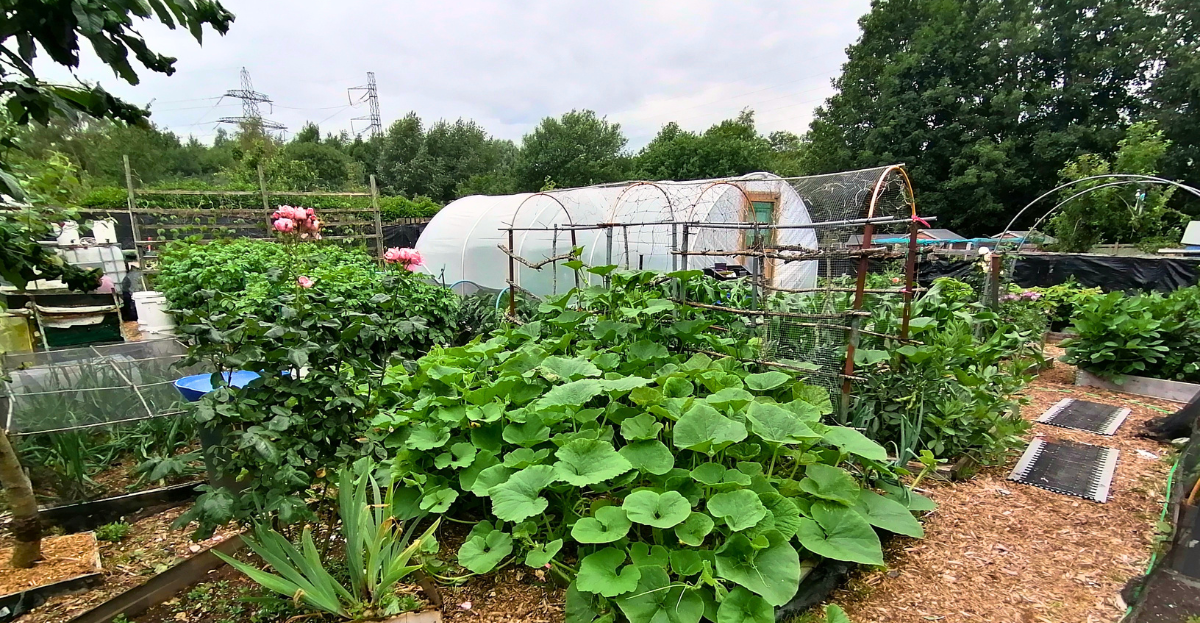
Importantly, every system used to safeguard an allotment has trade-offs. Each method brings clear benefits but also limitations, whether that’s reduced airflow, added maintenance, cost, or inconsistent results. Understanding both sides helps you choose realistically for your site and conditions and build a more resilient setup by combining approaches rather than relying on a single solution.
To help understand this in practice, here’s how different methods perform when you look at both their strengths and weaknesses side by side.
Netting
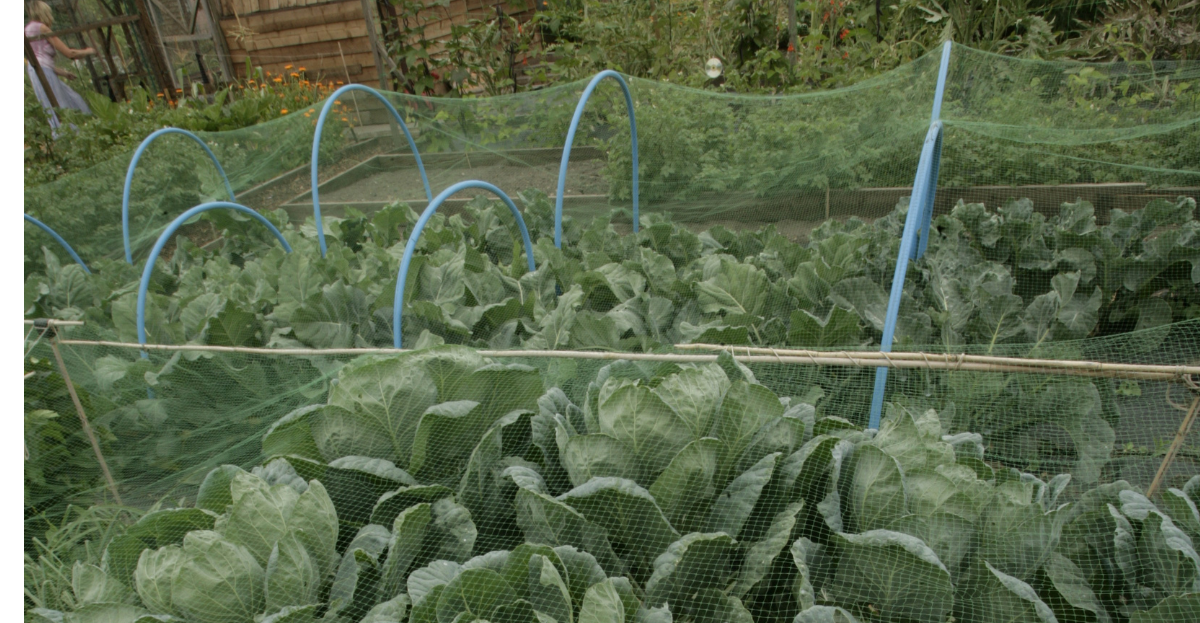
Netting remains one of the most common , effective and cost-effective safeguarding tools on allotments.What it helps manage:
- Pigeons, blackbirds, and other crop-raiding birds
- Cabbage white butterflies (when used as exclusion netting)
- Some flying insects when fine mesh is used correctly
- Fruit loss in soft fruit beds (strawberries, currants, raspberries)
- Bird entanglement risk if netting is loose or left on the ground
- Small mammals (hedgehogs, mice) can become trapped if edges are unsecured
- Netting can collapse onto crops , causing damage and reduced airflow
- Can make weeding, watering, and harvesting more awkward
- Fine mesh can reduce pollinator access
- UV degradation over time leads to snapping and holes that create weak points
- Use raised frames or hoops rather than draping netting directly over plants
- Secure edges using buried soil, bricks, or pegs to prevent entry
- Switch to rigid fruit cages or modular mesh systems where possible
- Remove netting once flowering crops need pollinators
- Inspect regularly for damage or trapped wildlife
- Netting works best when treated as a structured system , not a loose covering.
Crop Cages
Benefits:
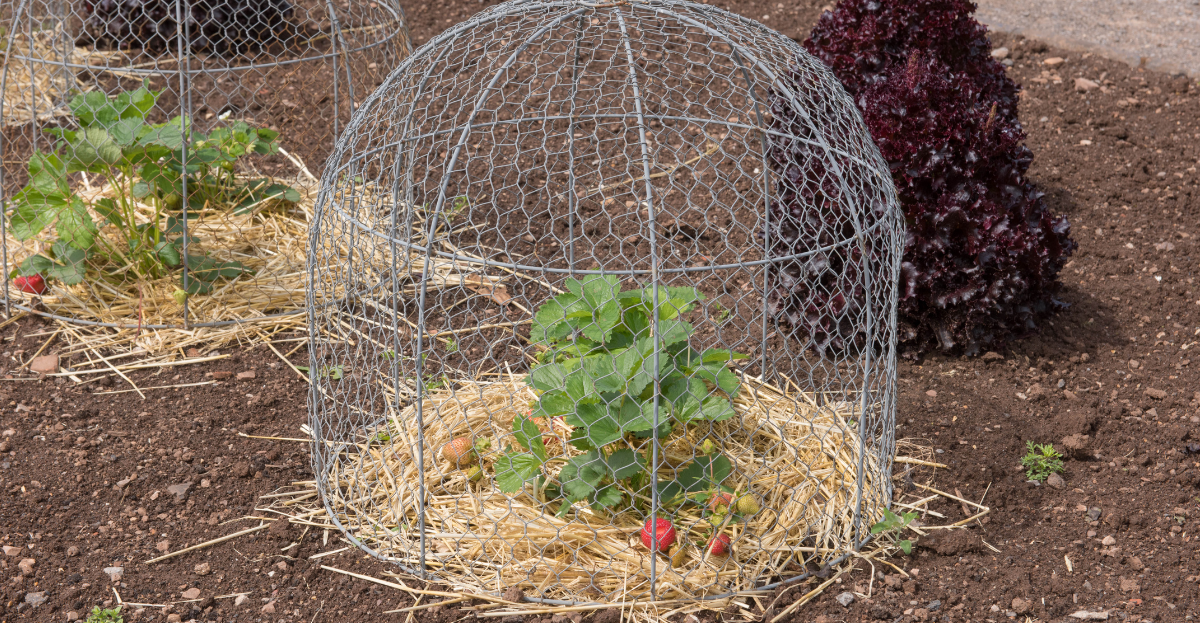
- Strong physical barrier against birds and butterflies
- Reduces accidental entanglement compared to loose netting
- Reusable over many seasons, making them cost-effective long-term
- Easy to remove panels or access crops when designed well
- Can be tailored to specific beds or permanent plot layouts
- Higher upfront cost than netting
- Requires space for storage in winter or non-use periods
- Can be time-consuming to construct properly
- Poorly built cages can still allow pest entry through gaps
- Modular flat-pack cage systems for easier storage
- Shared communal cages on allotment sites
- Lightweight aluminium or plastic conduit frames to reduce cost
- Combination systems (cage base + seasonal netting swaps)
- Crop cages are especially effective where repeated yearly losses occur in the same crops.
Polytunnels & Cloches
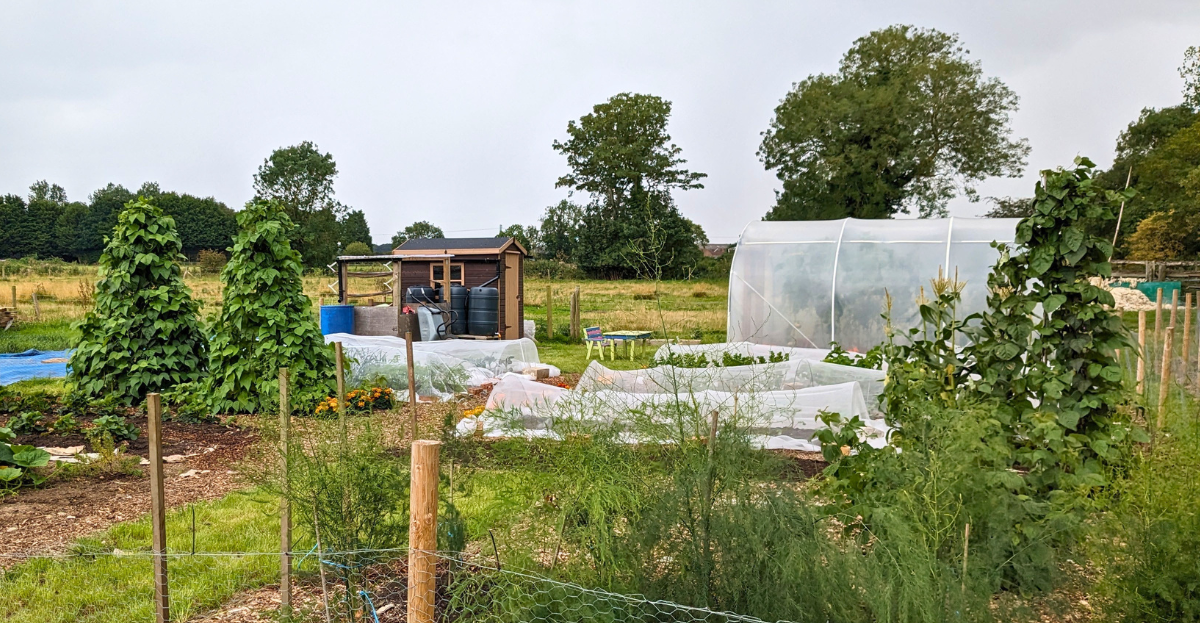
Polytunnels offer one of the most powerful ways to both extend the growing season and reduce pest exposure. Benefits:
- Protection from wind, heavy rain, hail, and frost
- Warmer soil temperatures for earlier planting
- Reduced pest pressure from birds and larger insects
- Ability to grow more sensitive crops reliably (tomatoes, cucumbers, peppers)
- Better control over watering and humidity
- Can overheat rapidly in spring and summer without ventilation
- Requires constant airflow management to prevent disease build-up
- Reduces access for pollinators unless plants are manually pollinated or ventilated
- Plastic covers degrade over time and need replacing
- Can create humid conditions that increase fungal disease risk
- Some allotment sites restrict size or require permission
- Low hoop tunnels with removable covers for better airflow
- Roll-up sides to improve ventilation
- Mesh-sided tunnels for summer use instead of full plastic
- Cloches for individual plants rather than full-bed coverage
- Polytunnels work best when actively managed rather than left closed.
Companion Planting
Common benefits:
- Can confuse pests through mixed scents (e.g. carrots and onions)
- Attracts beneficial insects such as hoverflies and ladybirds
- Provides trap crops (e.g. nasturtiums for aphids and caterpillars)
- Improves biodiversity and soil health when used in diverse beds
- Effects are often subtle and inconsistent
- Cannot prevent heavy infestations or bird damage alone
- Requires good spacing and planning to be effective
- May compete with main crops for nutrients and water if overcrowded
- Use companion planting as a support layer , not a primary defence
- Combine with physical barriers for vulnerable crops
- Use trap crops strategically rather than randomly
- Rotate annually to maintain soil balance and reduce pest adaptation
- It is most effective as part of a wider system rather than a standalone solution.
Natural Ecosystem Support
Key beneficial wildlife:
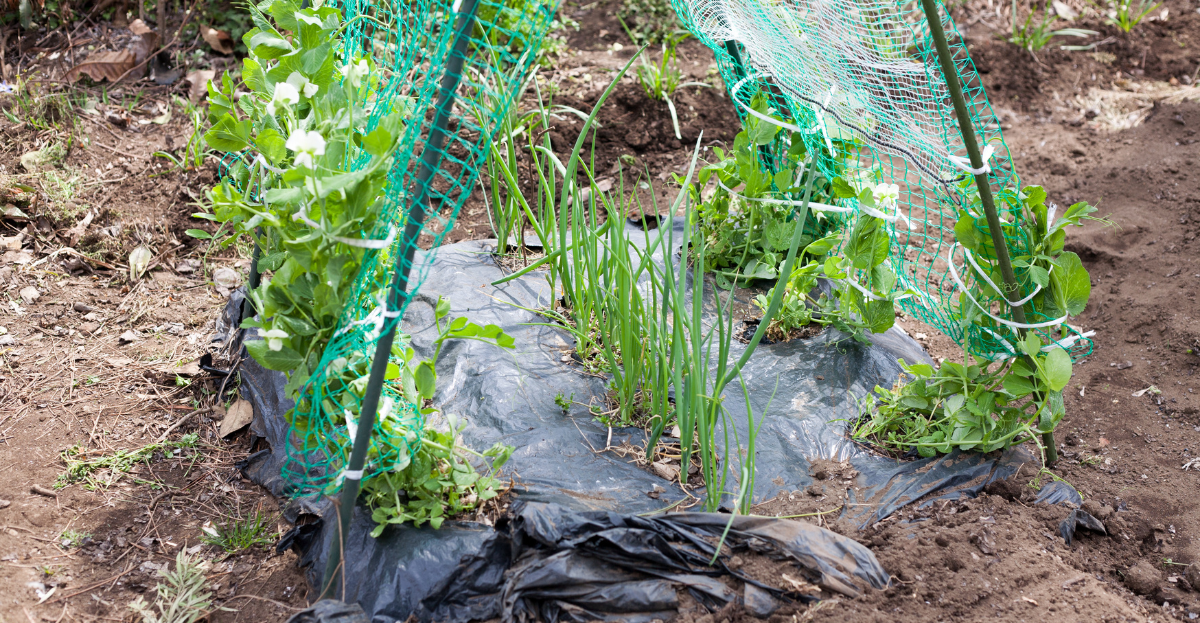
- Ladybirds and lacewings (aphid control)
- Hoverflies (pollination and pest reduction)
- Frogs and toads (slug control)
- Ground beetles (soil pest control)
- Install ponds or shallow water features
- Leave log piles and undisturbed corners
- Grow flowering strips (especially umbellifers like dill and fennel)
- Avoid broad-spectrum chemical sprays
- Takes time to establish a stable ecosystem
- May not control sudden pest outbreaks quickly enough
- Some beneficial species are seasonal or weather-dependent
- Birds attracted to insect-rich areas may also feed on crops
- Combine with physical barriers for immediate protection
- Rotate flowering areas to maintain continuous habitat
- Provide overwintering spaces for insects
- Natural systems are powerful but work best over the long term.
Fencing
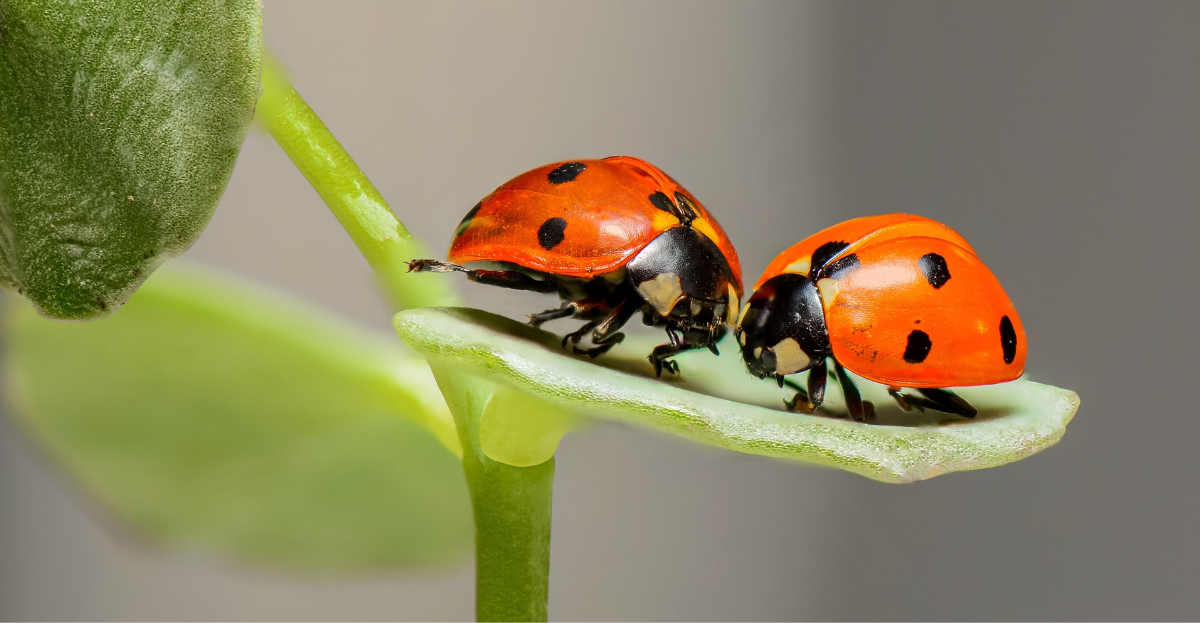
Fencing is often the first line of defence against larger animals, but it must be well designed.Benefits:
- Prevents access from rabbits, deer, and foxes
- Defines plot boundaries clearly
- Long-term structural solution
- Can be combined with gates and mesh systems
- Rabbits can burrow underneath if not secured
- Deer require tall fencing (often over 1.8–2m)
- Installation costs can be high
- Requires maintenance and inspection over time
- Gaps in gates or corners are common failure points
- Buried mesh skirts (very effective against rabbits)
- Electric fencing where permitted
- Dense hedging (slow but ecologically beneficial barrier)
- Double-layer fencing systems for high-pressure sites
- Fencing is most effective when combined with ground-level reinforcement.
Windbreaks: Often Overlooked but Highly Valuable
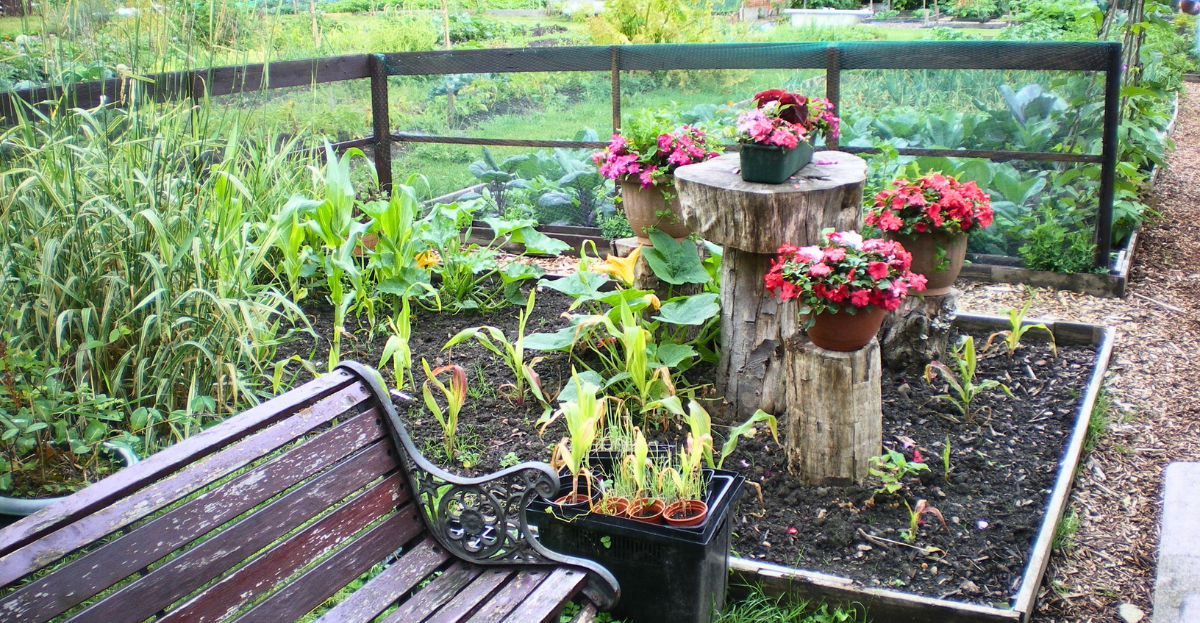
Wind can be one of the most damaging environmental factors on exposed allotment sites.Benefits:
- Reduces physical damage to tall or fragile crops
- Prevents soil drying and erosion
- Improves pollination conditions by reducing turbulence
- Helps stabilise microclimates across beds
- Permanent windbreaks can cast shade if poorly positioned
- Hedgerows take years to mature
- Fixed structures reduce layout flexibility
- Can create turbulence on the sheltered side if too dense
- Permeable mesh windbreaks (preferred for airflow control)
- Pallet or recycled material screens for flexibility
- Seasonal crop-based wind protection (e.g. maize or sunflowers)
- Layered planting instead of solid barriers
Layering -The Most Effective Approach
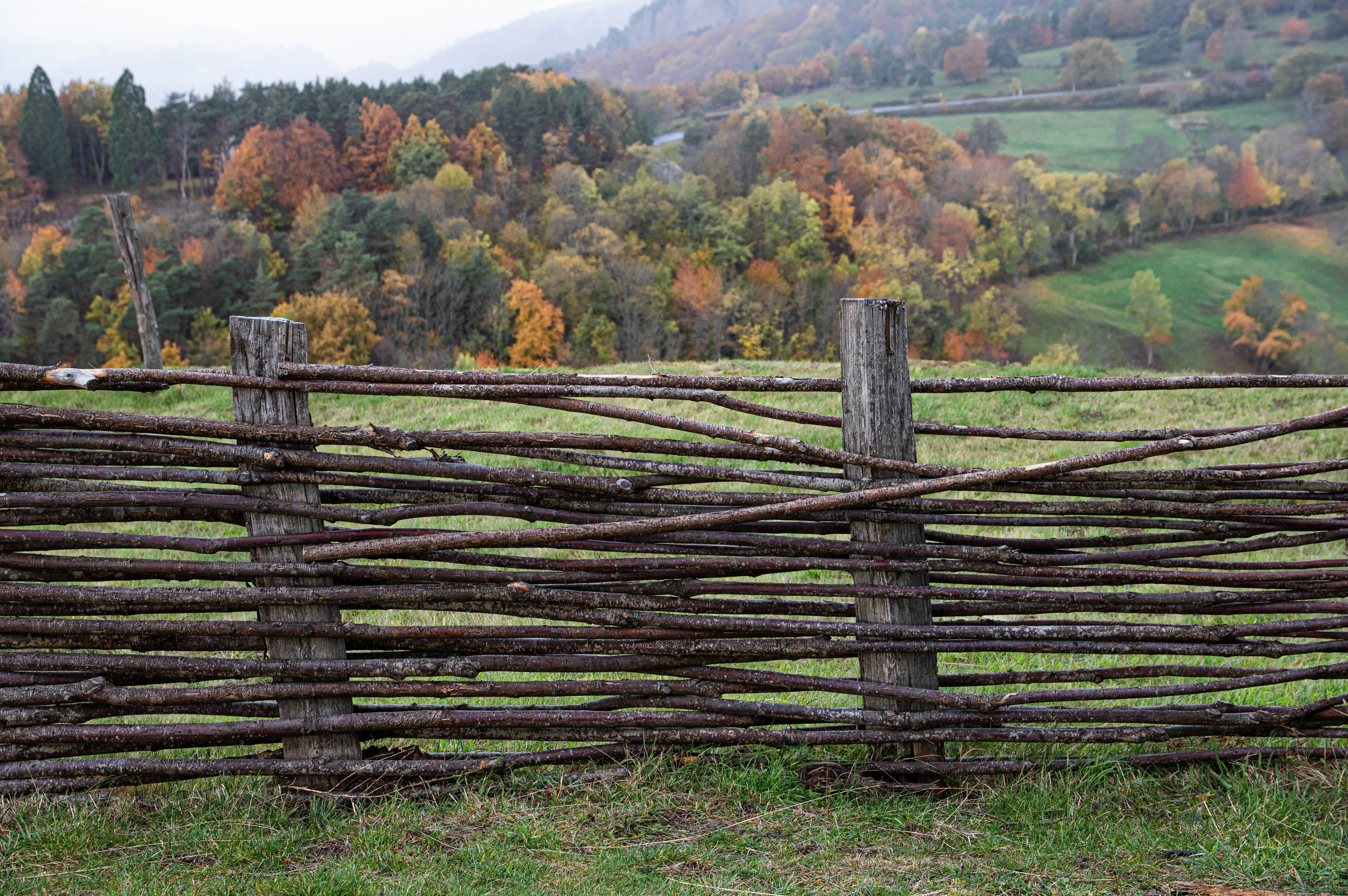
No single method is sufficient on its own. The strongest allotment systems use multiple overlapping strategies , such as:- Netting + rigid frames for bird protection
- Companion planting + habitat strips for biodiversity
- Polytunnels + ventilation management for climate control
- Fencing + ground reinforcement for burrowing animals
- Windbreaks + crop positioning for exposure management
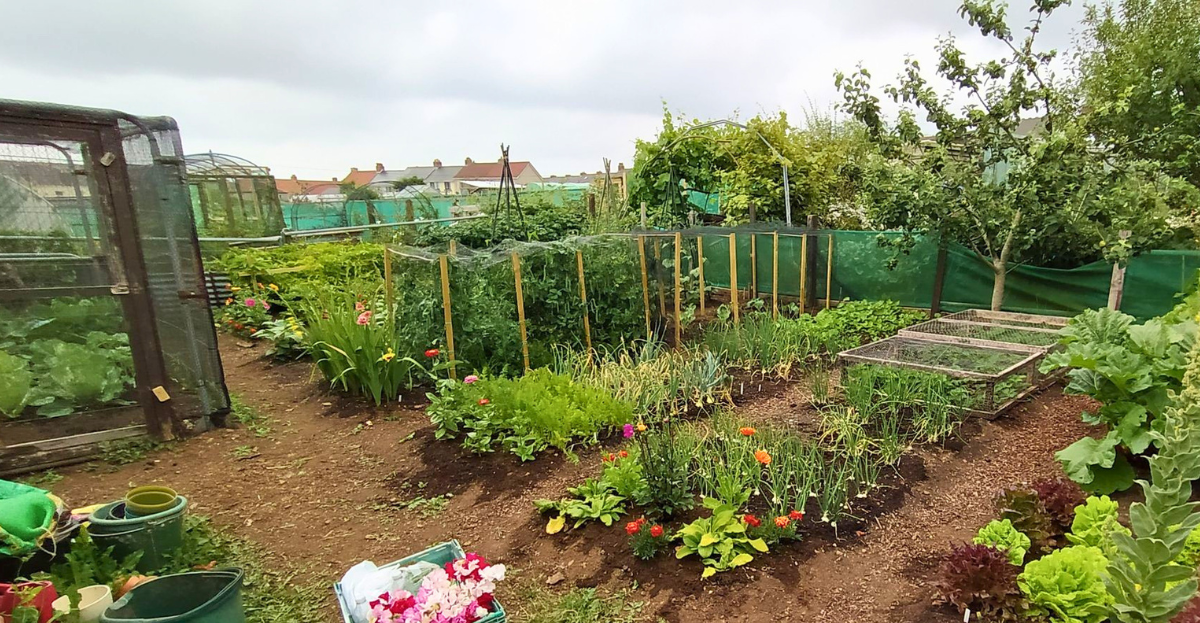
Safeguarding your allotment
is not about eliminating risk entirely — it’s about managing it intelligently. Every method comes with advantages and drawbacks, and the most successful growers understand how to balance these in a practical, site-specific way.By combining structures, natural systems, and thoughtful planting design, you can create a productive allotment that is both resilient and in harmony with its environment — season after season.

Become a National Allotment Society member and help to preserve and protect allotments for future generations.
You'll also gain a range of benefits including free liability insurance, initial legal support, expert advice and much more.
Non Member Newsletter Signup

National Society of Allotment & Leisure Gardeners Ltd
Registered in 1930 under the Industrial & Provident Societies Acts no. 11144R
VAT No. 1212930 14
Patron His Majesty King Charles III
© 2022-2023 National Society of Allotment & Leisure Gardeners Ltd