A Practical Guide to Allotment Safety
An allotment should be a place of enjoyment, relaxation and productivity. Whether you're growing prize-winning pumpkins, harvesting vegetables for the family table or simply enjoying time outdoors, safety is probably not the first thing on your mind.
However, allotment sites contain a surprising number of potential hazards. Sharp tools, uneven paths, water storage, bonfires, chemicals and old structures can all pose risks if they are not managed properly.
.png)
The good news is that health and safety doesn't need to be complicated. Most accidents can be prevented through awareness, common sense and regular maintenance.
Why Health and Safety Matters
Under the Occupiers' Liability Acts, those managing allotment sites have a duty of care towards plot holders, volunteers, visitors and even trespassers. However, safety is not just the responsibility of committees. Individual plot holders also play an important role by maintaining their plots and considering how their actions may affect others.
The aim is not to eliminate all risks—gardening will always involve an element of risk—but to reduce the likelihood of accidents and serious injuries.
.png)
Start with Your Own Plot
Take a look around your plot and ask yourself:
- Are there tools lying on the ground?
- Is timber stacked safely?
- Are paths clear and level?
- Is broken glass or rubbish accumulating?
- Are sheds and greenhouses in good repair?
When working on your plot:
- Wear sturdy footwear with good grip.
- Use gloves when handling manure, compost or chemicals.
- Keep cuts and grazes covered with waterproof dressings.
- Wash your hands thoroughly before eating or drinking.
- Ensure your tetanus vaccination is up to date.
.png)
Water: Essential but Potentially Dangerous
Water butts, tanks and ponds can present drowning risks, particularly for young children. Containers should be covered where practical and checked regularly for damage.
Stagnant water can also harbour harmful bacteria. If water storage containers are no longer being used, empty and clean them.
For wildlife ponds, safety and biodiversity can go hand in hand. Shallow sloping margins are generally safer than steep-sided ponds and provide valuable habitat for amphibians and insects.
.png)
Gardening with Children
Many of us enjoy introducing children to allotment life. Digging potatoes, sowing seeds and picking strawberries are wonderful experiences.However, allotments are working environments and children should always be supervised.
Potential hazards include:
- Water butts and ponds.
- Bonfires.
- Chemicals and fertilisers.
- Sharp tools.
- Broken glass.
- Poisonous plants.
- Machinery and strimmers.
.png)
Managing Chemicals Safely
Most allotment holders use fertilisers or pest control products at some point, but these should always be handled carefully.A few golden rules:
- Keep products in their original containers.
- Follow the manufacturer's instructions.
- Store chemicals securely and out of reach of children.
- Never decant chemicals into drinks bottles or food containers.
- Dispose of unwanted products responsibly.
.png)
Watch Out for Vermin
Rats and mice are an unfortunate reality on some allotment sites.Aside from damaging crops, rats can spread diseases such as leptospirosis (Weil's Disease), which can be transmitted through contaminated water.
To reduce problems:
- Avoid leaving food waste on plots.
- Maintain compost bins properly.
- Clear rubbish regularly.
- Report infestations promptly.
.png)
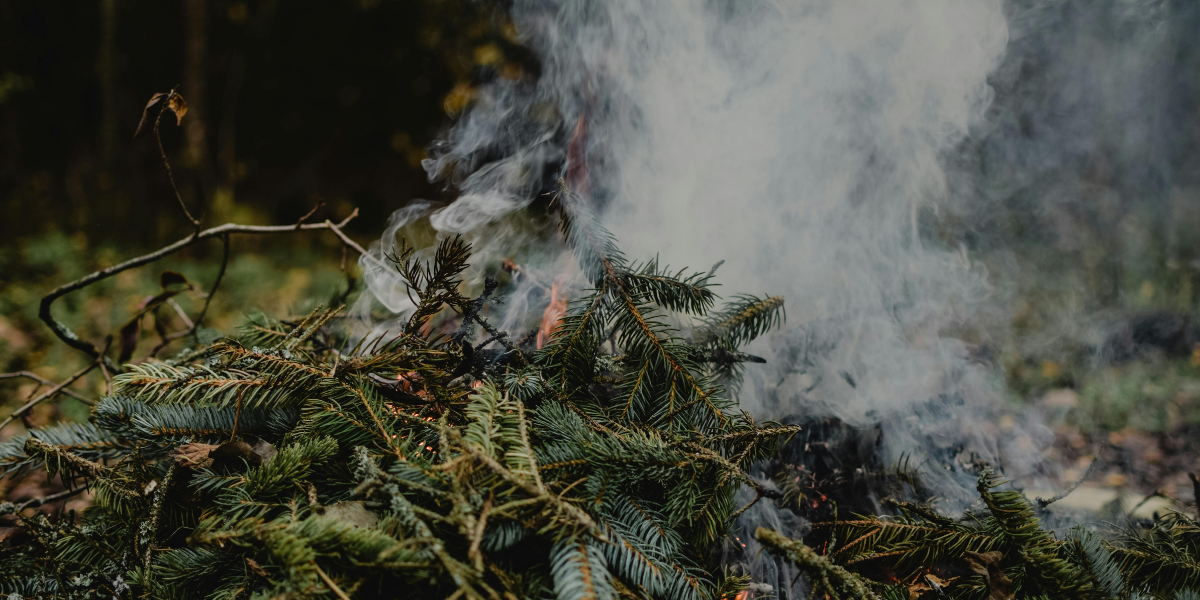
Bonfires: Use Them Responsibly
Bonfires remain a useful way of disposing of certain garden materials, but they must be managed carefully.
Always:
- Check local site rules before lighting a fire.
- Never leave a bonfire unattended.
- Keep water nearby.
- Avoid burning treated timber, plastics or household waste.
- Consider neighbours and weather conditions.
Risk Assessments: Not as Scary as They Sound
Many committees hear the phrase "risk assessment" and immediately imagine pages of paperwork.
In reality, a risk assessment is simply a way of identifying hazards before they become accidents.
Walk around the site and ask:
- What could cause harm?
- Who might be affected?
- How serious is the risk?
- What can be done about it?
.png)
Volunteers, Events and Open Days
If your association organises work parties, plant sales, open days or community events, additional planning may be required.
Consider:
First aid provision.
Fire safety.
Public liability insurance.
Safe access routes.
Temporary hazards created by increased visitor numbers.
Volunteers should receive clear instructions and appropriate equipment for any tasks they undertake.
.png)
A Safe Allotment is a Better Allotment
Health and safety is not about wrapping allotments in cotton wool. It is about creating an environment where people can enjoy growing food, supporting wildlife and building community without unnecessary risks.
Most hazards can be prevented through simple measures: keeping plots tidy, maintaining structures, using equipment responsibly and looking out for one another.
A few minutes spent thinking about safety today could prevent a serious accident tomorrow.
For more detailed guidance, National Allotment Society members can access Health and Safety Business Guide 400 and other resources through the Members Area of our website.
.png)
As with all insurance policies, cover will depend on the insurer’s terms, conditions and exclusions.
To find out more, visit the Chris Knott Insurance website or call 01424 205001.
Join The National Allotment Society
Become a National Allotment Society member and help to preserve and protect allotments for future generations.
You'll also gain a range of benefits including free liability insurance, initial legal support, expert advice and much more.
Non Member Newsletter Signup

National Society of Allotment & Leisure Gardeners Ltd
Registered in 1930 under the Industrial & Provident Societies Acts no. 11144R
VAT No. 1212930 14
Patron His Majesty King Charles III
© 2022-2023 National Society of Allotment & Leisure Gardeners Ltd