Are Allotments Still Relevant in Modern Britain
In a world where food can be delivered the same day and supermarkets promise endless choice, it might be tempting to think allotments are quaint relics of the past. But the evidence tells a very different story. Allotments are more relevant today than at any time in recent history, and they play a crucial role in food, health, and community resilience.
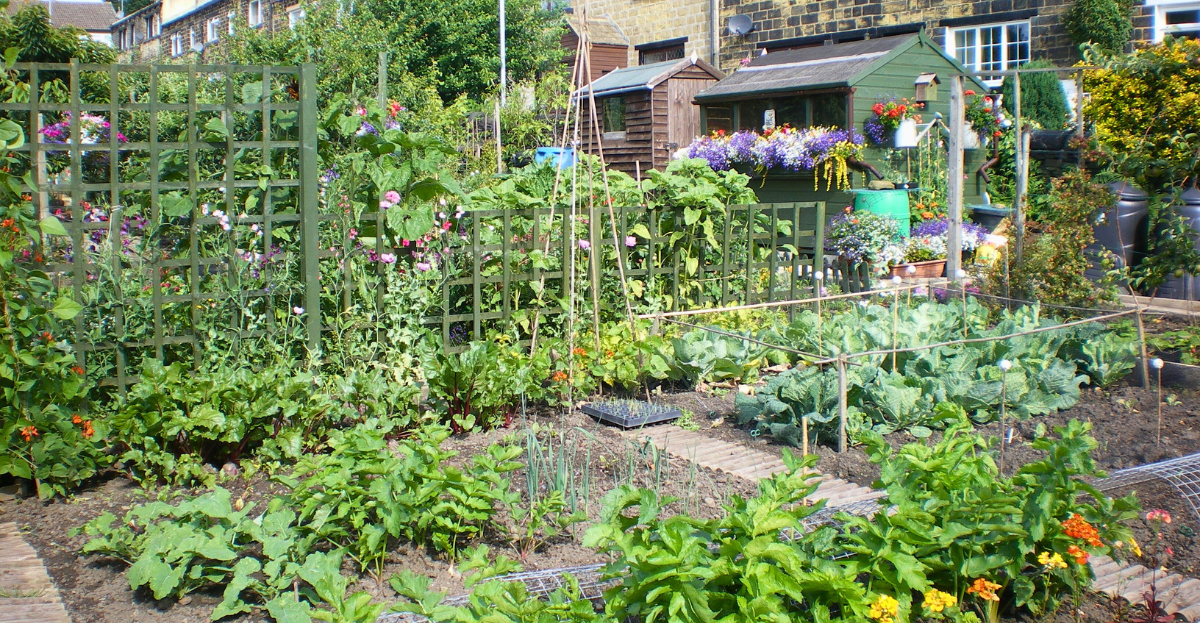
These green spaces offer far more than just a place to grow vegetables—they are hubs of wellbeing, community, and environmental stewardship. Across cities and towns, allotments are quietly addressing some of the most pressing challenges of our time: food insecurity, mental health pressures, biodiversity loss, and social isolation. Far from being a nostalgic relic, allotments are proving themselves as essential tools for a resilient and connected society.
The Bigger Food Picture
The UK’s Food Security Report 2024 reveals that the number of households classified as food secure has declined from 92% in 2020 to 90% in 2023. Rising food prices, supply chain disruptions, and extreme weather events are creating vulnerabilities in the availability of domestic produce, particularly fruit and vegetables. Household food insecurity has risen as budgets are squeezed, making access to healthy diets a growing challenge. These national trends show that food availability is stable, but household-level resilience is fragile.
Local Food Production That Actually Happens
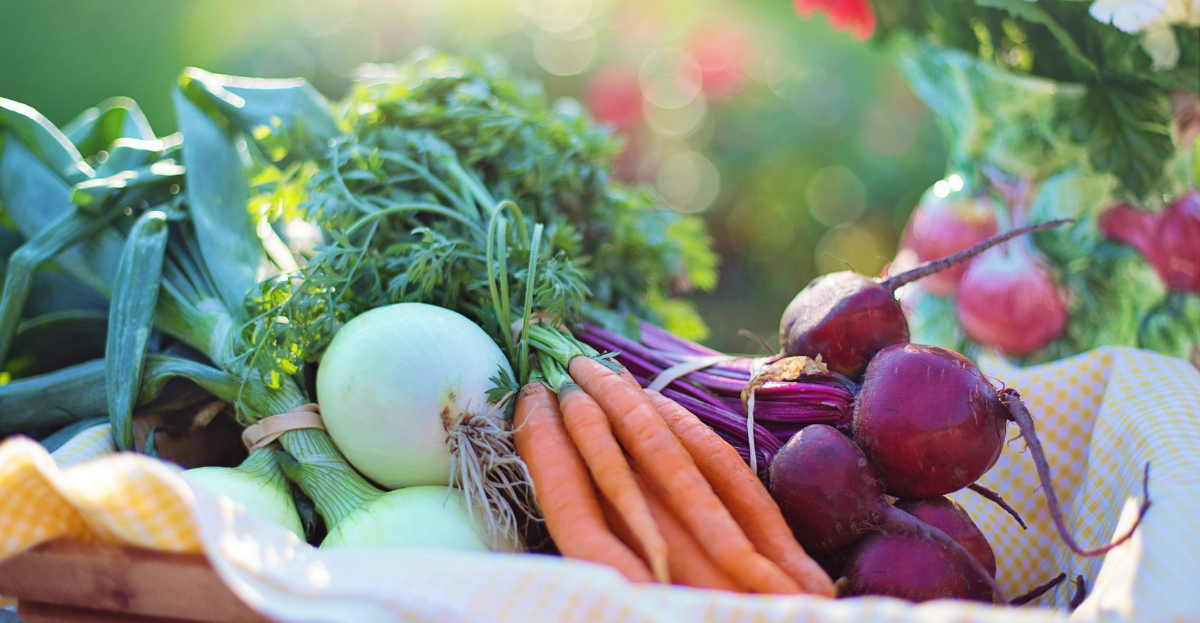
Allotments provide a practical, local response to national food security challenges. Research by the Brighton & Hove Food Partnership found that allotments in Brighton and Hove collectively produce the equivalent of around £1.12 million worth of food every year. That is real, nutritious food entering local food systems, reducing reliance on supermarkets and providing households with affordable fresh produce.
Across the UK, allotments help families eat better. The
National Allotment Society reports that 89% of plot holders
say they eat more fresh fruit and vegetables because of their allotment. This isn’t just about quantity; it’s about improving diet quality and health outcomes.
A Mental Health Lifeline
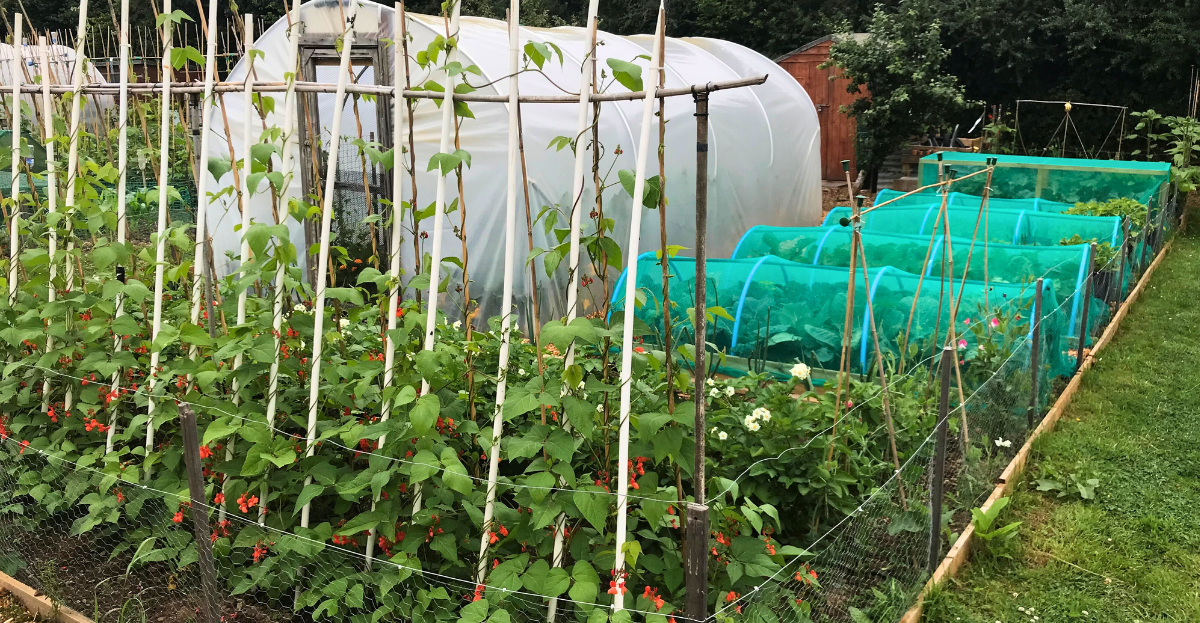
Food security isn’t just about calories. Mental wellbeing is an essential part of resilience. Nearly 63% of allotment holders rate the impact of their plot on mental wellbeing a perfect 10, and over 90% rate it 8 or higher. Gardening reduces stress, promotes a sense of purpose, and encourages physical activity. In an era where anxiety, burnout, and disconnection are rising, allotments offer a low-cost, preventative health solution hiding in plain sight.
Physical Health That Goes Beyond Exercise
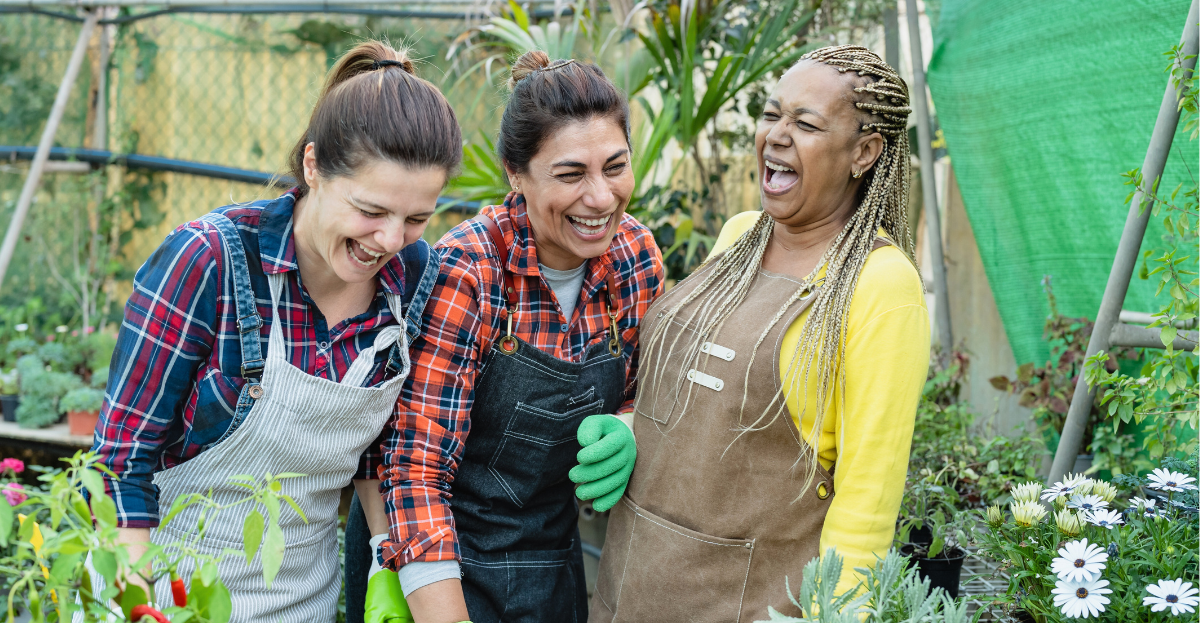
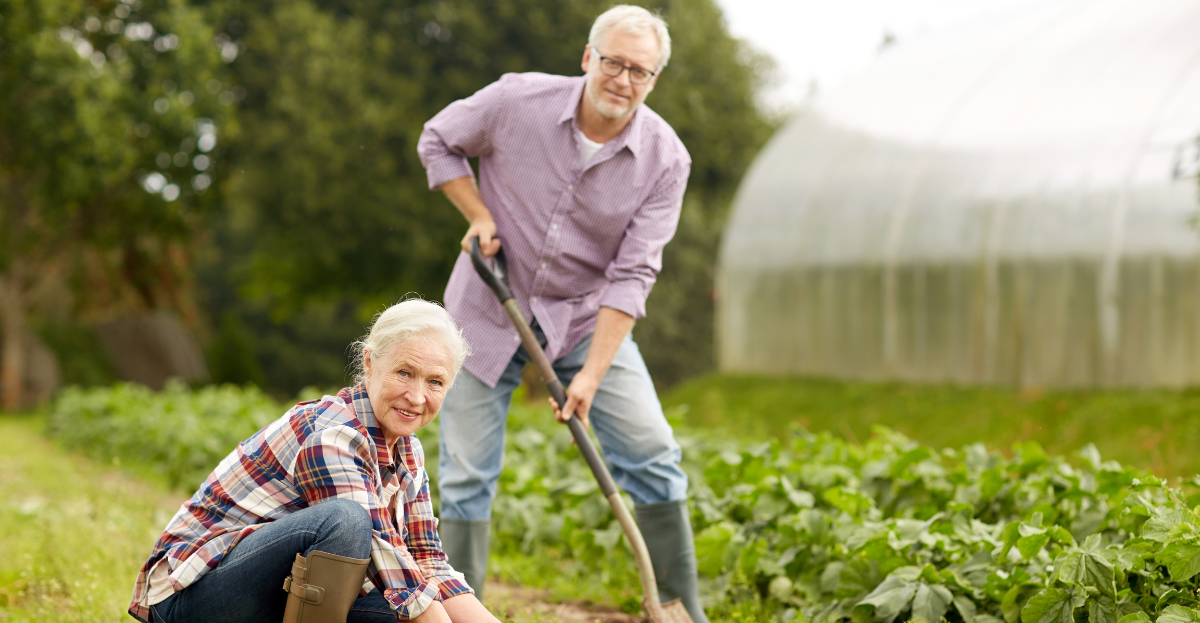
Allotment gardening involves digging, lifting, walking, and bending — all functional physical activity. It builds strength, mobility, and cardiovascular health while producing tangible outcomes: fresh, healthy food. Unlike gym-based exercise, allotment work has purpose and impact, combining physical fitness with real-world results.
Building Community in an Isolated World
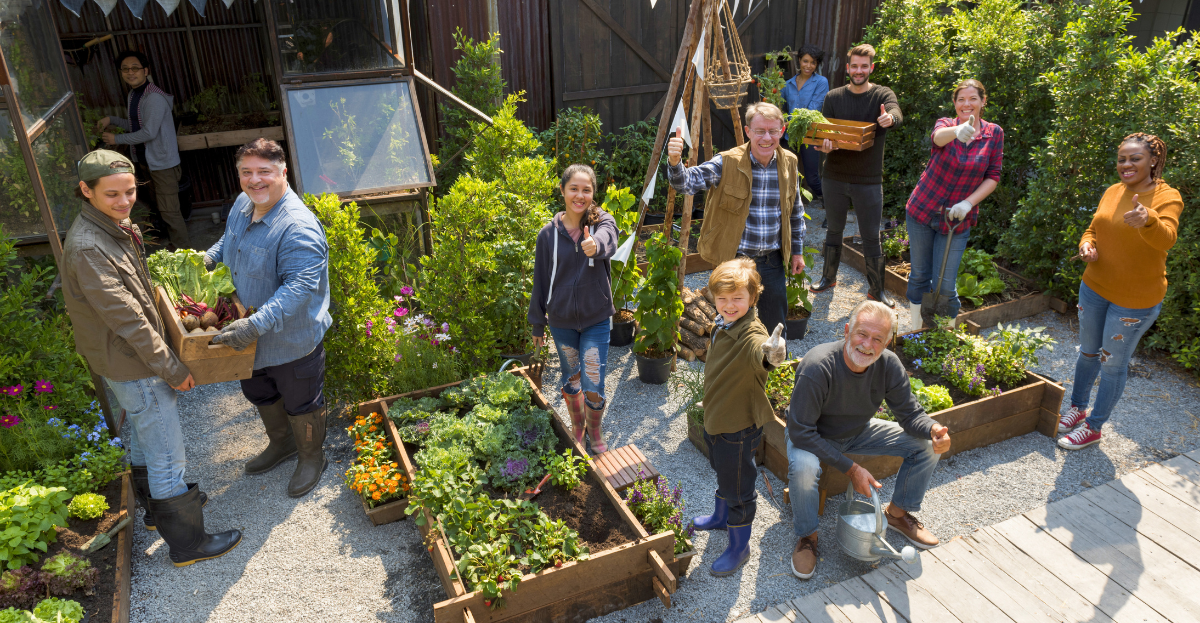
Modern Britain has never been more digitally connected, yet loneliness remains a serious concern. Allotments naturally foster community. 80% of plot holders report that their allotment helps them build social connections. Sites encourage sharing, informal mentoring, and mutual support. They create spaces where community forms organically, across generations and backgrounds.
Environmental Value and Biodiversity
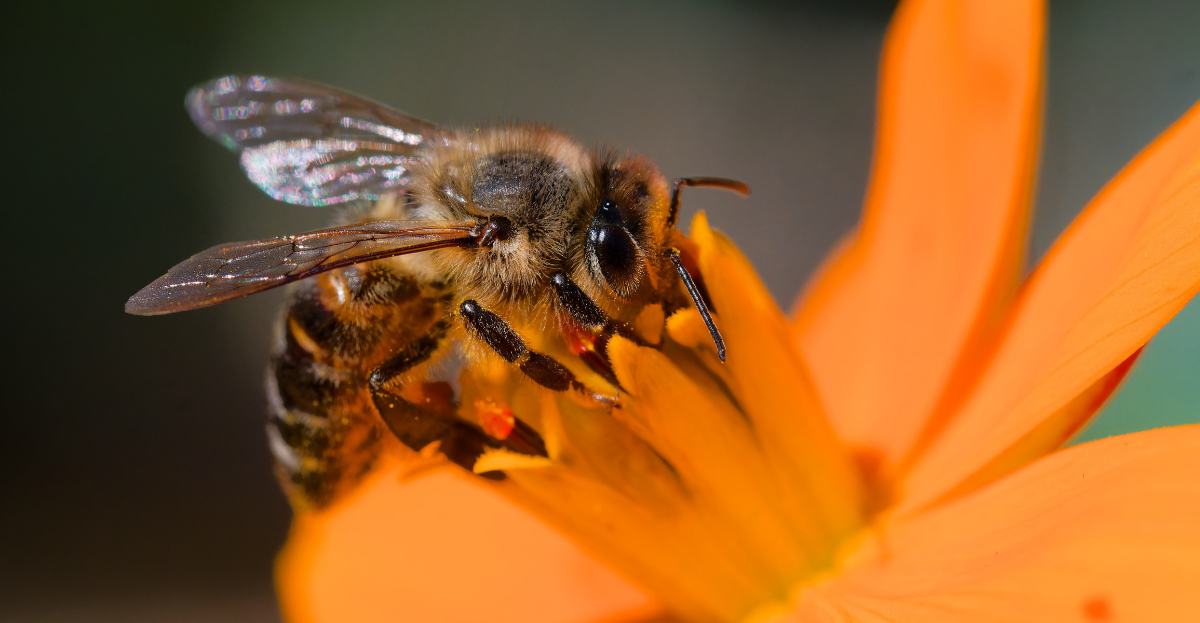
Allotments are more than just food-producing spaces — they are vital ecological assets. They support a wide range of biodiversity, including pollinators like bees, butterflies, and hoverflies, which are essential for healthy gardens and wider ecosystems. Flower borders, hedgerows, and less intensively managed corners of plots create habitats for insects, birds, and small mammals, making allotments mini wildlife refuges in urban and suburban areas.
Studies show that allotments often outperform intensively farmed land in ecological value per square metre,
offering a mix of flowering plants, native shrubs, and undisturbed soil that supports pollinators and other beneficial species. By planting flowers alongside vegetables, gardeners help maintain pollinator populations, which in turn improves
yields of fruits, vegetables, and herbs.
In a time of climate uncertainty and declining biodiversity, allotments offer a practical way for individuals to engage in conservation , helping communities connect with nature while supporting sustainable food production. For more on protecting pollinators, see the the Bumblebee Conservation Trust or Pollinators and Food Security – DEFRA
Meeting Modern Challenges
The UK Food Security Report and other research show that the food system faces multiple pressures: supply chain vulnerability, inflation, and unequal access to nutritious food. Allotments directly address these challenges by:
- Providing local, seasonal food that reduces reliance on imports
- Supplementing household diets during times of financial strain
- Teaching practical skills for sustainable growing
- Offering spaces for mental and physical wellbeing
Why Allotments Matter More Than Ever
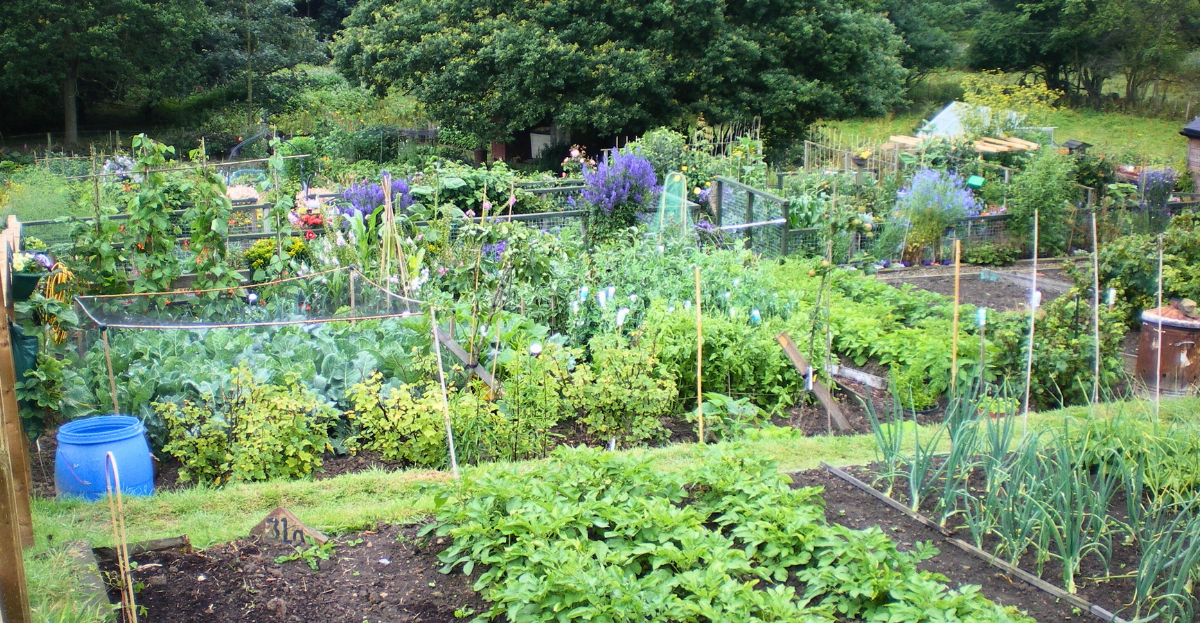
If allotments were irrelevant, demand would be falling. Yet over 174,000 people are currently on waiting lists across the UK , and interest has surged since the pandemic. People are seeking access because allotments deliver real, tangible benefits—for food, health, and community connection.Measured purely by tonnage or supermarket-scale output, allotments might seem small. But when we measure them by what modern Britain truly needs— better diets, improved wellbeing, stronger communities, environmental awareness, and resilience —the case is overwhelming.
Allotments are not just surviving; they are thriving as vital tools for food security, social cohesion, and personal wellbeing. What was once a response to necessity has evolved into a solution for the complex challenges facing modern Britain.
Join The National Allotment Society
Become a National Allotment Society member and help to preserve and protect allotments for future generations.
You'll also gain a range of benefits including free liability insurance, initial legal support, expert advice and much more.

Non Member Newsletter Signup

National Society of Allotment & Leisure Gardeners Ltd
Registered in 1930 under the Industrial & Provident Societies Acts no. 11144R
VAT No. 1212930 14
Patron His Majesty King Charles III
© 2022-2023 National Society of Allotment & Leisure Gardeners Ltd