Allotment Arguments and Approaches to Resolution
Allotments are busy, shared spaces full of different approaches to growing, keeping animals, and managing land. That variety is one of their strengths, but it can also occasionally lead to misunderstandings or complaints between plot holders, or from neighbouring residents.

Most issues can be resolved quickly and informally with the right approach. This guide is intended to help allotment associations handle common problems calmly, fairly, and consistently, while also staying mindful of responsibilities under the
Environmental Protection Act 1990 , which can apply where a statutory nuisance is alleged.
The aim is always the same: keep allotments welcoming, well-managed, and enjoyable for everyone.
Understanding complaints and statutory nuisance
This may include:
- Allotment noise – persistent or excessive noise
- Allotment smoke and fumes – causing disturbance beyond the site
- Allotment odours – strong or persistent smells
- Allotment waste issues – accumulations of waste that attract pests or cause problems
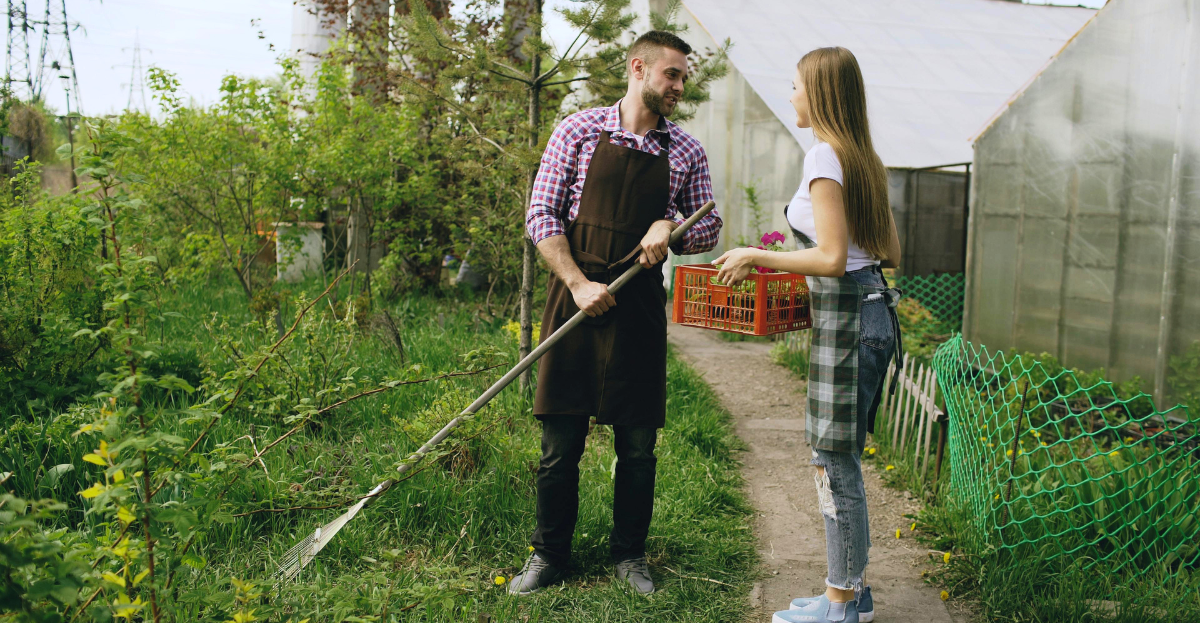
Managing allotment noise from cockerels to general activity
Typical examples include:
- Cockerels crowing early in the morning
- Power tools used at unsuitable times
- General activity that feels intrusive to nearby residents
Cockerels
Many sites find it helpful to have a clear rule on cockerels, as they are the most frequent cause of noise complaints
- Where allowed, encouraging covered or enclosed housing can help reduce early morning crowing by limiting light exposure
- Suggesting quieter breeds or discouraging cockerels altogether can prevent issues before they start
- Set clear “quiet hours” for machinery use (for example mid-morning to late afternoon)
- Encourage plot holders to be mindful of neighbouring gardens and housing
- Remind members that allotments sit within wider communities

Compost, waste and odour issues
Common issues include:
- Unpleasant smells
- Attracting rats or flies
- Untidy or overflowing compost heaps
- Promote clear composting guidance (what can and cannot go in)
- Encourage covered or enclosed compost bins where possible
- Remind plot holders to balance green and brown materials
- Encourage regular turning to keep compost aerobic
- Discourage cooked food, meat, or dairy waste

Smoke, bonfires and fumes
Bonfires can be a sensitive issue, especially in built-up areas. Smoke drifting off-site is a common cause of complaint and can fall under the Environmental Protection Act 1990 if it becomes a statutory nuisance.Practical solutions for associations
Where possible, limit or phase out bonfires in favour of composting and green waste disposal
- If fires are permitted, set clear rules on:
- permitted materials (dry, untreated green waste only)
- timing and frequency
- weather conditions (no burning in still or windy conditions)
- Encourage small, short burns rather than large smouldering fires
- Remind members that smoke should not affect neighbouring properties

Chemicals, pesticides and spray drift
Practical solutions for associations
- Encourage careful, targeted application rather than broad spraying
- Remind users to avoid spraying in windy conditions
- Promote integrated pest management and organic alternatives where possible
- Ask members to notify neighbours if spraying is necessary
- Keep a record of permitted products if your site has specific rules
- A culture of “use only when needed” tends to reduce problems significantly.

What to do when a complaint is raised
How an association responds to complaints can make all the difference.
A simple and effective approach:
1. Listen first
Allow both sides to explain their perspective calmly. Many issues come down to misunderstanding or timing.
2. Clarify the problem
Be specific—what is happening, when, and how often?
3. Check site rules
Refer back to allotment rules or tenancy agreements to ensure consistency.
4. Focus on solutions, not blame
Most issues can be resolved with small adjustments rather than formal action.
5. Agree practical changes
This might include:
- moving a compost bin
- adjusting tool use times
- improving animal housing
- reducing bonfire use
A short check-in after changes helps ensure the issue is resolved.
7. Escalate only if necessary
Formal steps should be a last resort if informal resolution does not work
Preventing issues before they arise
Prevention is always easier than resolution. Associations can reduce complaints by:
- Setting clear, simple site rules
- Providing guidance for new tenants
- Encouraging good communication between neighbours
- Promoting tidy, well-managed plots
- Sharing best practice for composting, animals, and tool use
- Being consistent but approachable in enforcement
- A positive, supportive site culture goes a long way

Conclusion
Allotments thrive best when they are well-managed, considerate, and cooperative—and most of that comes down to good communication and a willingness to make small, workable adjustments.
Join The National Allotment Society
Become a National Allotment Society member and help to preserve and protect allotments for future generations.
You'll also gain a range of benefits including free liability insurance, initial legal support, expert advice and much more.
Non Member Newsletter Signup

National Society of Allotment & Leisure Gardeners Ltd
Registered in 1930 under the Industrial & Provident Societies Acts no. 11144R
VAT No. 1212930 14
Patron His Majesty King Charles III
© 2022-2023 National Society of Allotment & Leisure Gardeners Ltd